Creating a Thriving Equestrian Layout on Small Acreage


Understanding Your Space
Creating a thriving equestrian layout on small acreage requires a keen understanding of your available space. Begin by assessing the land to determine the optimal areas for riding, grazing, and shelter. Consider the natural features of your property, such as slopes and water sources, as these can influence your layout decisions.
Efficient Use of Land
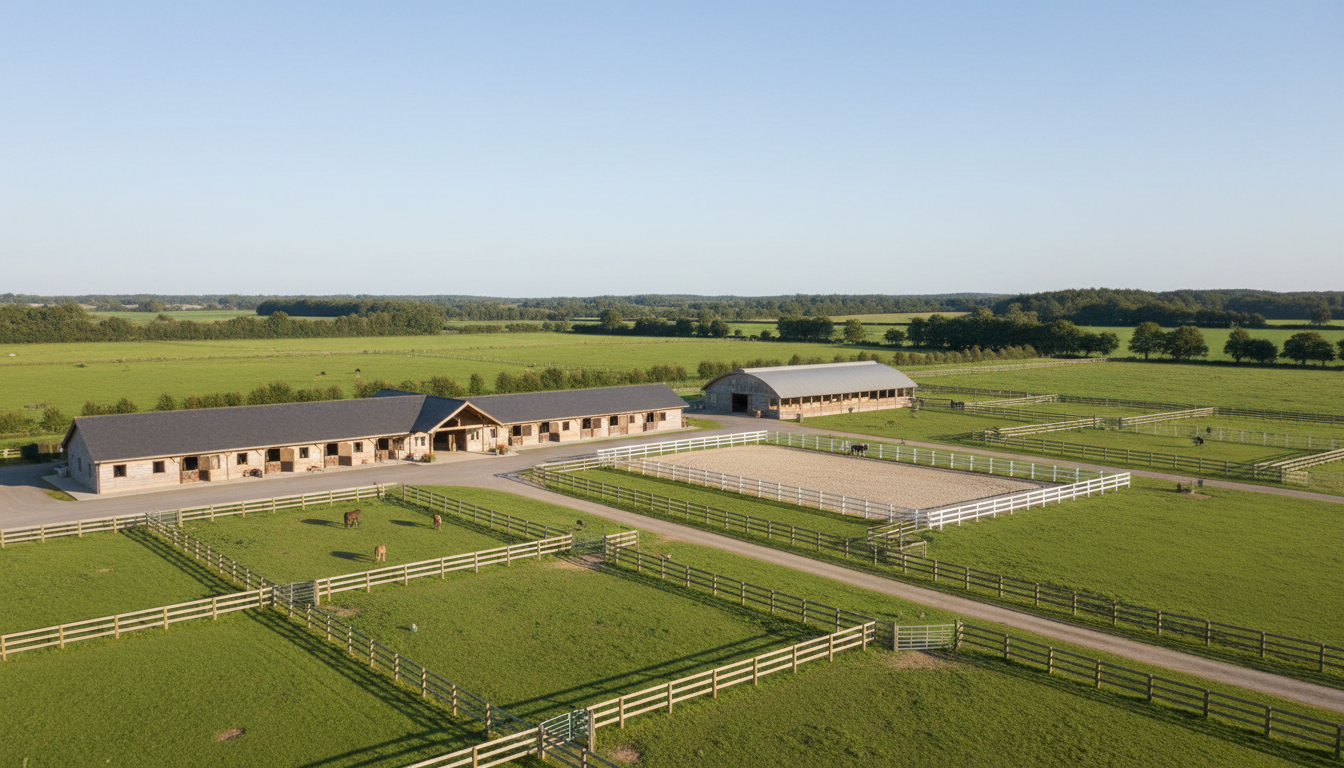
Maximize the use of your land by strategically planning the location of arenas, paddocks, and barns. Aim to create a layout that allows for easy access to all areas, reducing the need for excessive walking or riding. Consider using a central location for the barn to minimize travel time.
Designing Paddocks and Arenas
When it comes to paddocks, size and shape matter. Design them in a way that encourages movement and exercise for your horses. If space is limited, consider creating multiple smaller paddocks and rotating their use to prevent overgrazing. For arenas, opt for multi-purpose designs that can accommodate various activities.
Incorporating Shelter and Storage
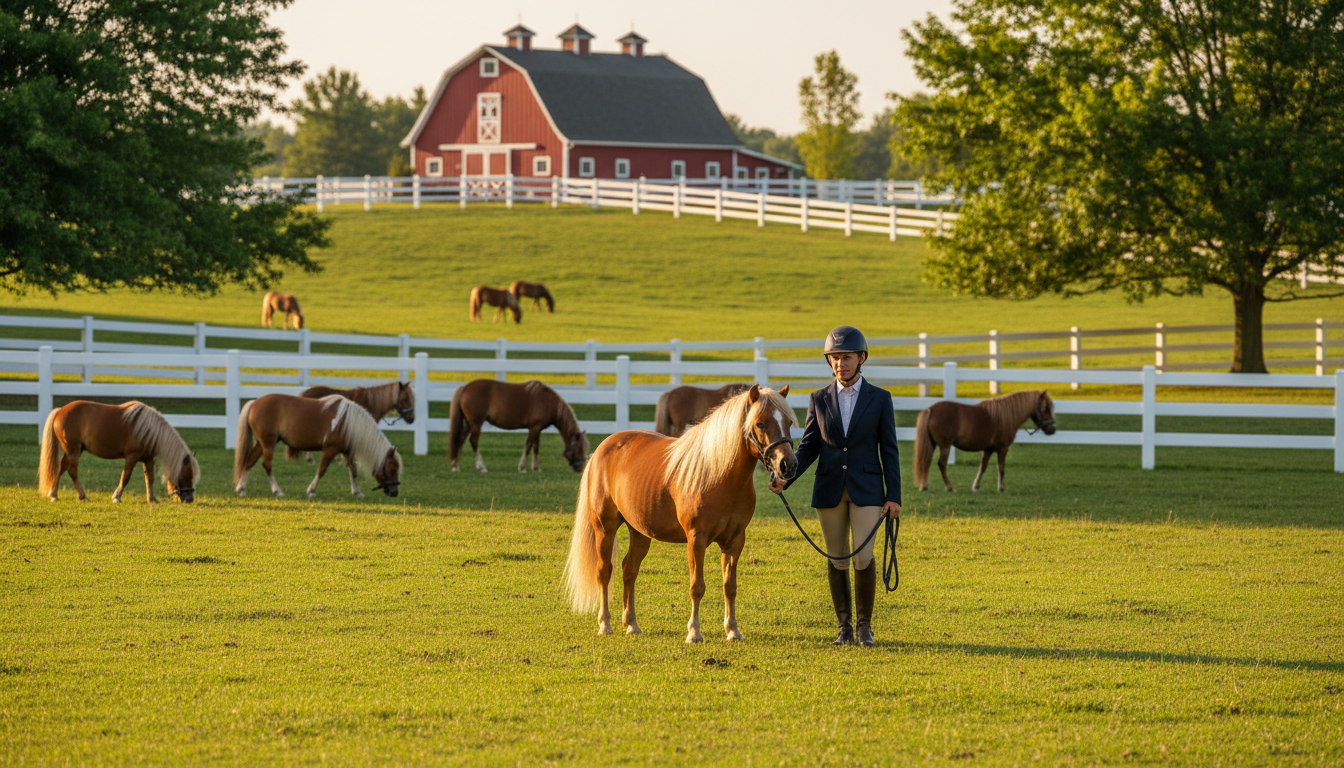
Shelter is crucial in any equestrian layout. Ensure that your horses have access to shade and protection from the elements. This can be achieved through strategically placed trees, run-in sheds, or a well-positioned barn. Additionally, plan for storage areas for feed, tack, and equipment to keep your facility organized and efficient.
Water Management
Effective water management is essential for maintaining a healthy equestrian environment. Implement systems for sustainable water use, such as rainwater collection and efficient irrigation for pastures. Ensure that all areas have access to fresh, clean water, and consider the installation of automatic waterers for convenience.

Fencing and Safety
Safety should be a top priority when designing your equestrian layout. Choose sturdy, reliable fencing that can withstand the test of time and the curiosity of your horses. Regularly inspect and maintain all fencing to prevent injuries and escapes. Additionally, consider the layout of gates and pathways to ensure easy and secure movement throughout the property.
Creating a Sustainable Environment
Sustainability is key to the long-term success of your equestrian layout. Implement environmentally friendly practices, such as composting manure, using renewable energy sources, and planting native vegetation. These efforts not only benefit the environment but also contribute to the well-being of your horses.
Conclusion: Balancing Functionality and Aesthetics
Ultimately, the goal is to create a space that is both functional and aesthetically pleasing. By carefully planning and considering the unique needs of your horses and property, you can develop a thriving equestrian layout on small acreage. Embrace creativity and practicality to make the most of your space and enjoy the rewarding experience of equestrian management.