Creating a Sustainable Homestead in Ocala: A Beginner's Guide


Understanding the Basics of Sustainable Homesteading
Creating a sustainable homestead in Ocala is a rewarding journey that combines self-sufficiency with environmental stewardship. The foundation of a sustainable homestead lies in understanding how to utilize natural resources efficiently and responsibly. Whether you are starting from scratch or enhancing an existing property, prioritizing sustainability can lead to numerous benefits for both your family and the environment.
Before diving into homesteading, it's essential to assess your land. Evaluate factors such as soil quality, water sources, and sunlight exposure. These elements will influence the types of plants and livestock you can maintain. Additionally, Ocala's subtropical climate offers a unique set of challenges and opportunities for homesteaders.

Planning Your Sustainable Garden
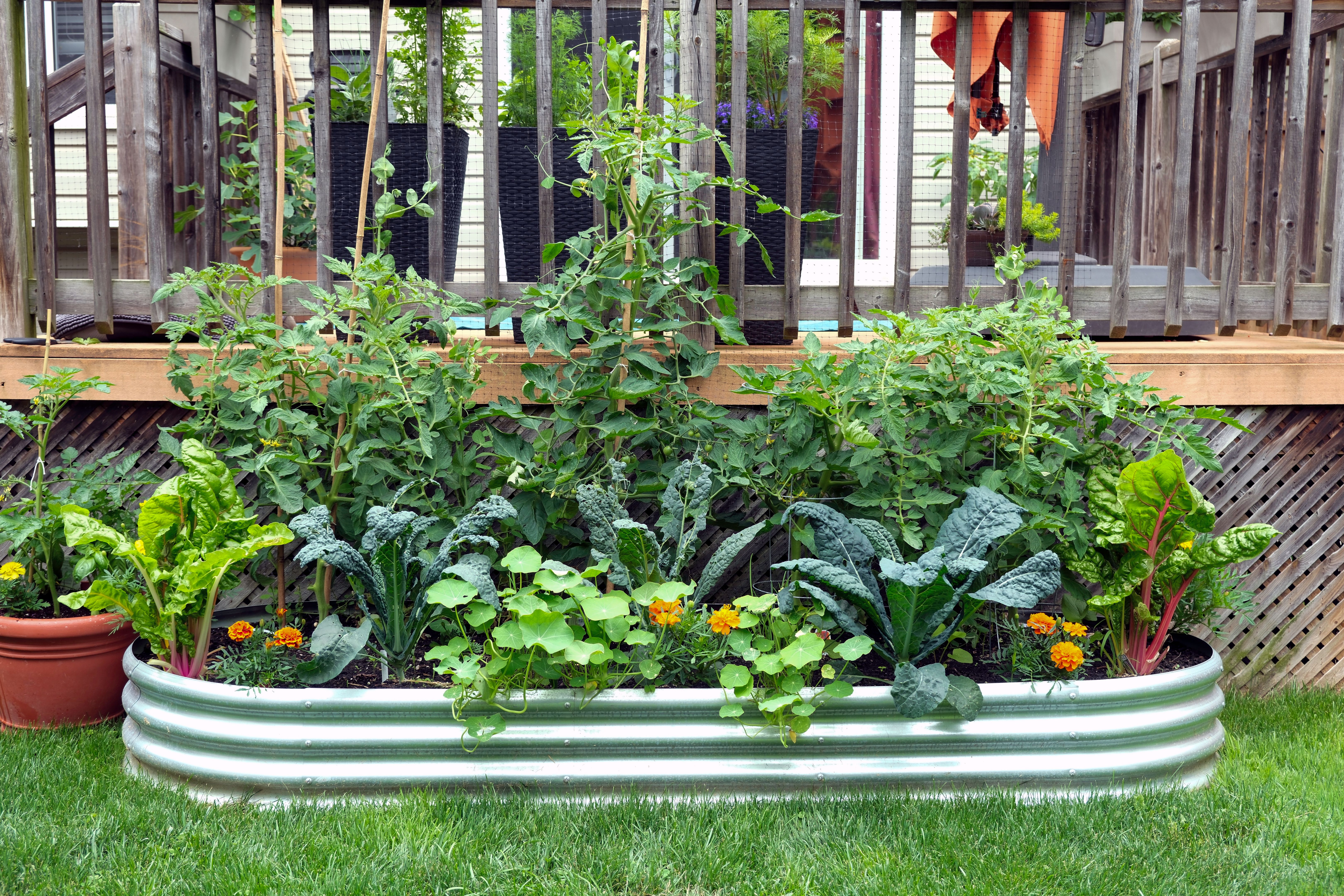
Gardening is a cornerstone of any homestead. For beginners, starting with a small, manageable plot is advisable. Focus on growing native plants and vegetables that thrive in Ocala's climate. These might include sweet potatoes, collard greens, and tomatoes. Using organic farming practices, such as composting and crop rotation, can significantly enhance soil fertility and reduce pests.
Incorporating permaculture principles can further boost your garden's sustainability. This involves designing natural ecosystems that work in harmony with the land. Consider planting companion species that support each other's growth and using mulch to retain moisture and improve soil health.
Integrating Livestock
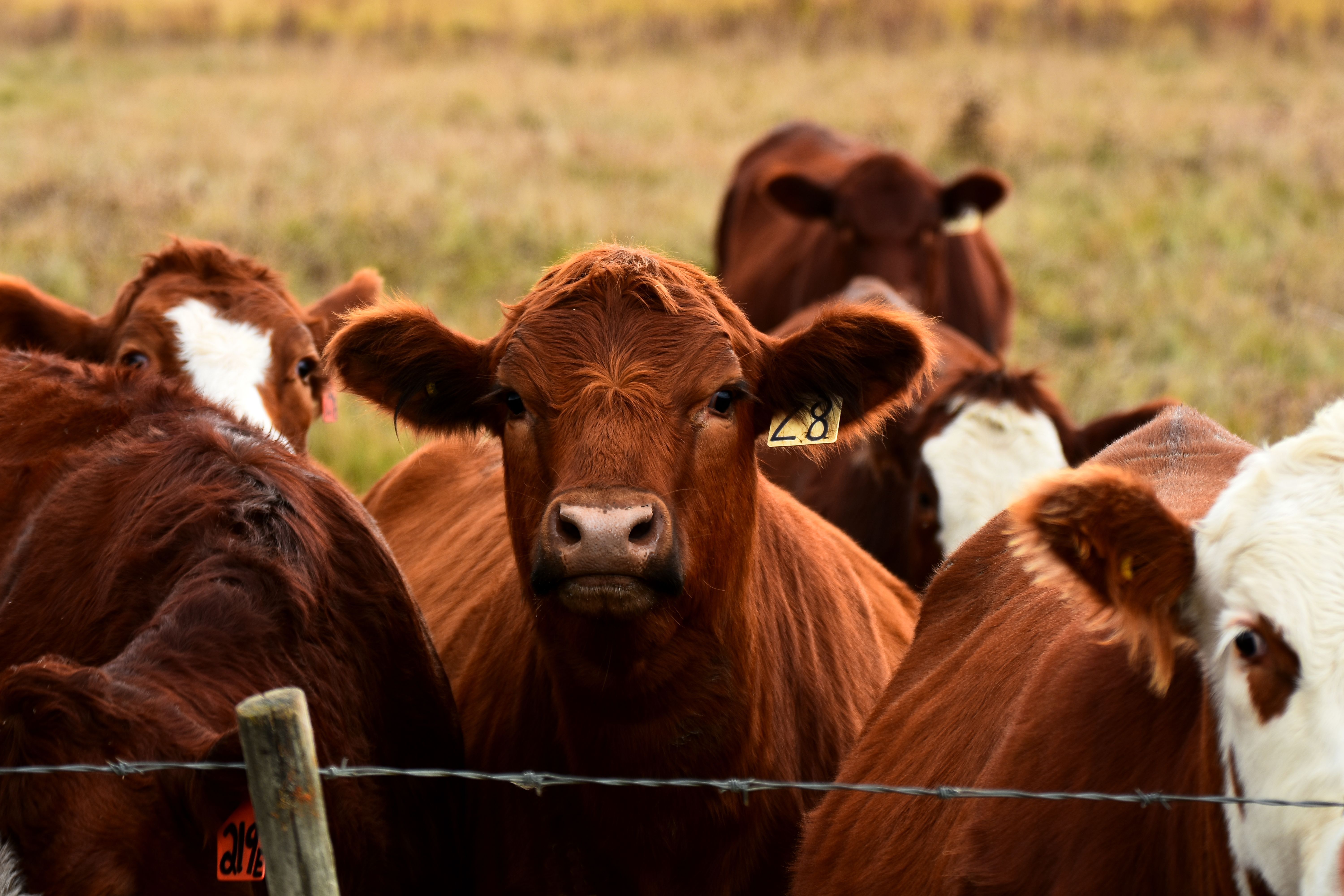
Livestock can play a crucial role in a sustainable homestead by providing food, fertilizer, and labor. Chickens are a popular choice for beginners due to their ability to produce eggs and help control insects. Goats and sheep can offer milk, meat, and wool, while also assisting in managing overgrown areas.
When selecting livestock, consider their compatibility with your land and the resources you have available. Proper animal husbandry practices are vital to ensure the well-being of your animals and the productivity of your homestead.
Water Conservation Techniques
Water is a precious resource, and effective management is critical for a sustainable homestead. Rainwater harvesting systems can be installed to collect and store water for irrigation and livestock use. Drip irrigation methods can further conserve water by delivering it directly to the plant roots, minimizing evaporation.
Building a pond or integrating swales can also enhance water conservation efforts. These features can help manage stormwater, reduce erosion, and create habitats for beneficial wildlife.
Energy Efficiency and Renewable Resources
Incorporating renewable energy sources into your homestead can reduce reliance on non-renewable resources. Solar panels are an excellent option for harnessing Ocala's abundant sunshine. They can provide electricity for your home and power essential systems like water pumps and electric fences.
Additionally, exploring other renewable options such as wind or geothermal energy can further enhance energy efficiency. Insulating your home and using energy-efficient appliances will reduce energy consumption and lower utility costs.

Embracing a Sustainable Lifestyle
Ultimately, creating a sustainable homestead is about adopting a lifestyle that values conservation and resourcefulness. Regularly assess and adjust your practices to improve sustainability. Engage with the local community, join homesteading groups, and participate in workshops to gain knowledge and share experiences.
By cultivating a sustainable homestead in Ocala, you contribute to environmental preservation while enjoying the benefits of a self-sufficient lifestyle. With patience, dedication, and a passion for learning, your homestead can thrive for generations to come.