Creating a Resilient Homestead: Sustainable Practices for Florida Landowners


Understanding the Florida Landscape
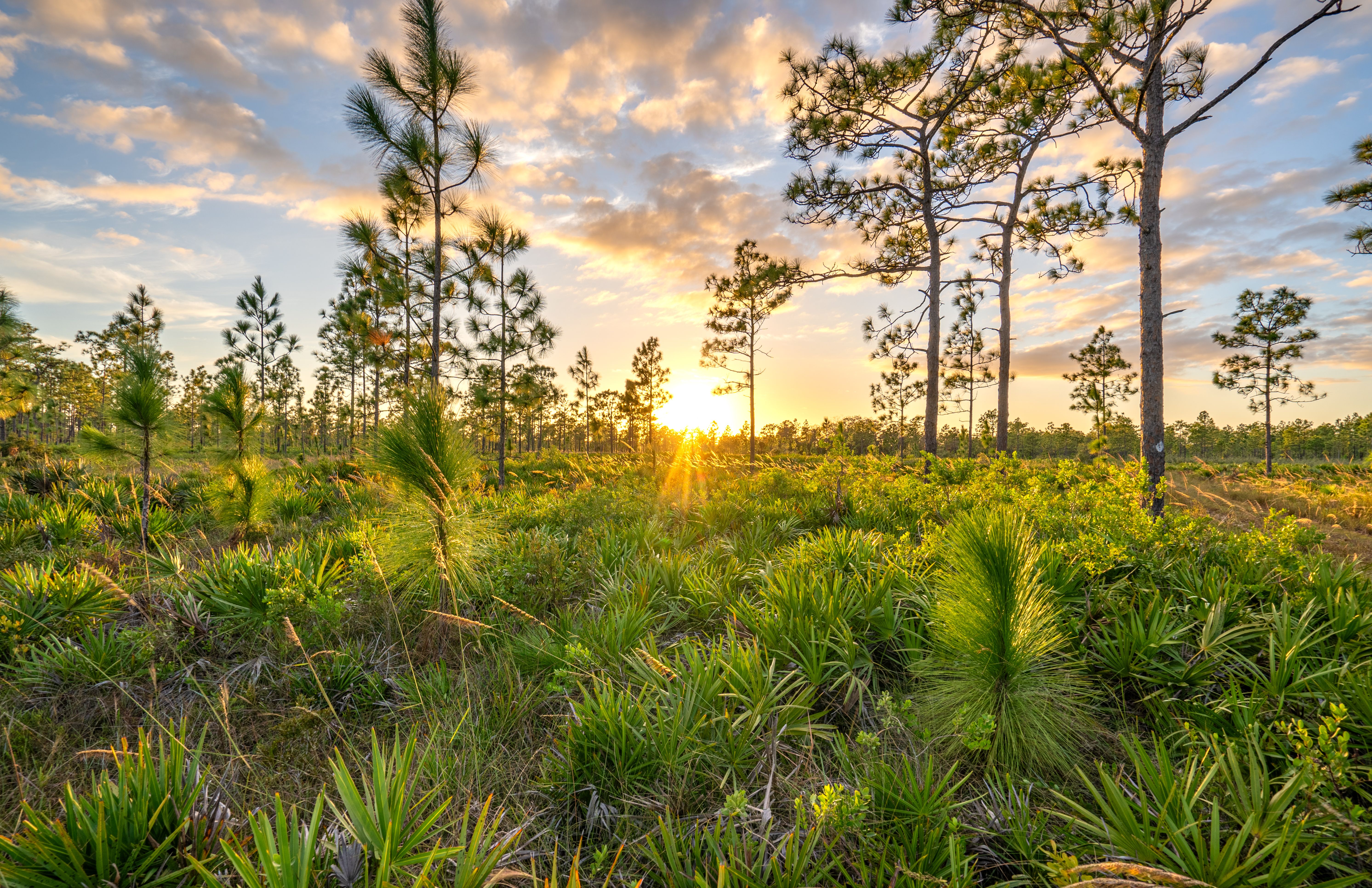
Florida's unique climate and geography present both opportunities and challenges for homesteaders. The state is blessed with a warm climate, which allows for year-round growing seasons. However, it also faces frequent hurricanes and unpredictable weather patterns. To create a resilient homestead, it's crucial to understand these environmental factors.
Choosing the Right Crops
When it comes to planting, selecting the right crops is essential for sustainability. Consider native plants that are well-adapted to Florida's climate. These plants typically require less water and are more resistant to local pests. Some popular choices include sweet potatoes, okra, and various citrus fruits.
Implementing crop rotation and companion planting can further enhance your garden's resilience. These practices help maintain soil fertility and reduce pest outbreaks, leading to healthier plants and more abundant harvests.
Water Conservation Techniques
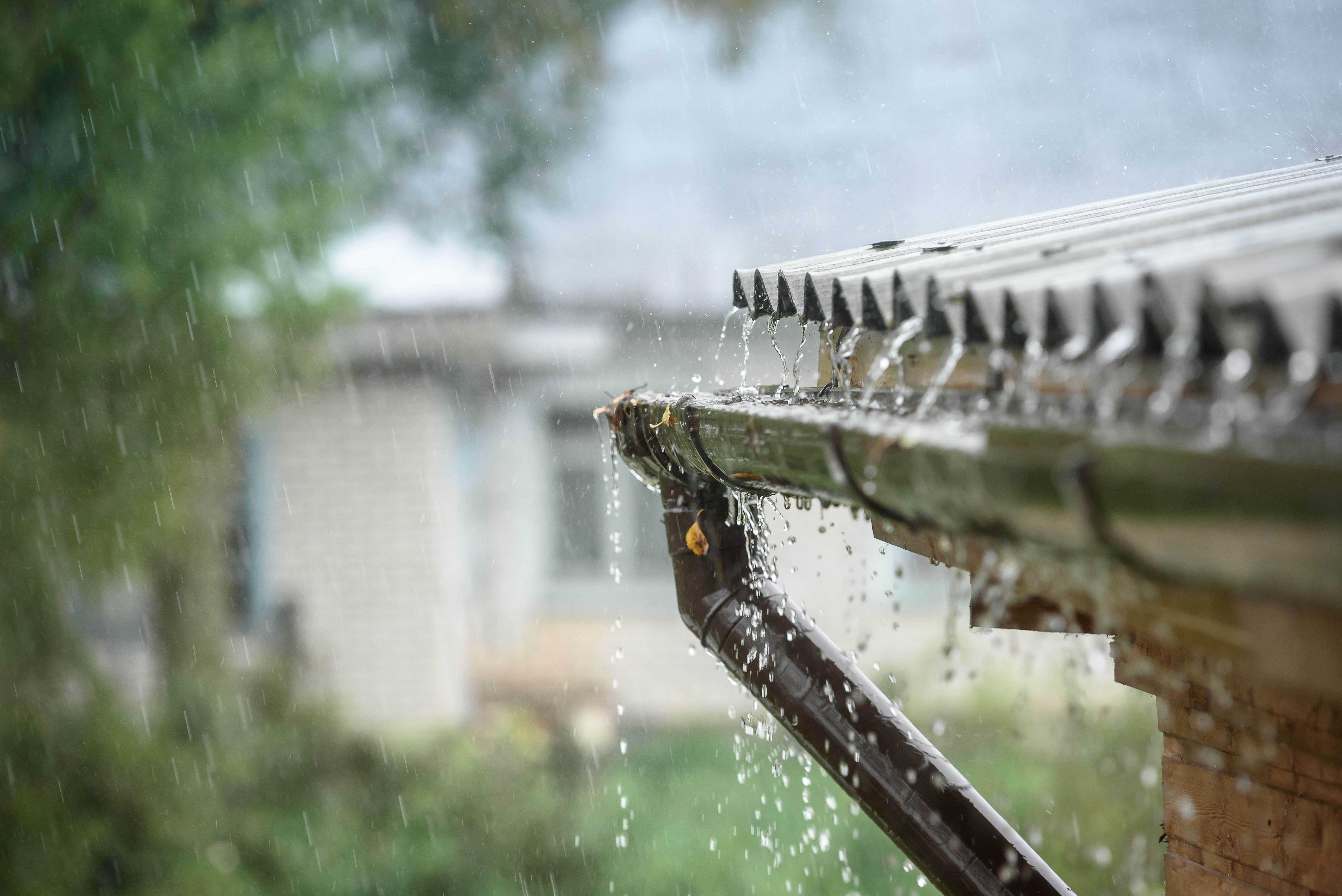
Water management is a critical aspect of sustainable homesteading in Florida. With periods of heavy rain followed by drought, efficient water use is essential. Installing rain barrels is a simple way to collect and store rainwater for later use. Drip irrigation systems can also minimize water waste by delivering water directly to the plant roots.
Building Soil Health
Healthy soil is the foundation of any successful homestead. In Florida, sandy soils can often lack nutrients. Incorporating organic matter like compost or manure can significantly improve soil structure and fertility. Additionally, practicing no-till gardening can preserve soil integrity and reduce erosion.
Implementing Renewable Energy
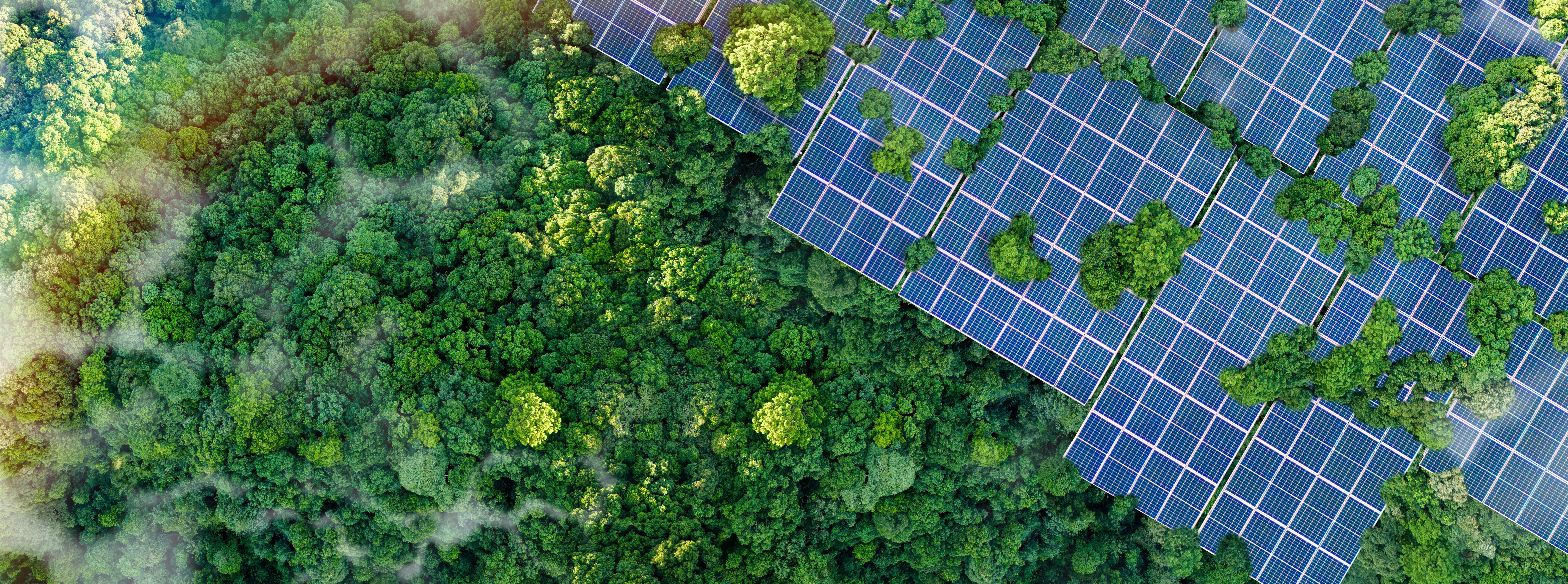
Reducing dependency on non-renewable energy sources is another step towards sustainability. Solar panels are an excellent option for Florida landowners, as the state receives ample sunlight throughout the year. Installing a solar power system can reduce energy bills and provide a reliable power source during outages.
Promoting Biodiversity
A diverse ecosystem is more resilient to environmental changes. Encourage biodiversity by planting a variety of species and creating habitats for local wildlife. Pollinator gardens, for example, support bees and butterflies, which are crucial for pollination and plant reproduction.
Consider integrating livestock into your homestead. Chickens, goats, and bees can provide eggs, milk, and honey, enhancing both self-sufficiency and biodiversity.
Preparing for Extreme Weather
Florida's susceptibility to hurricanes means preparation is key. Building structures should be designed or retrofitted to withstand strong winds and heavy rains. Secure outdoor equipment and create an emergency plan to protect your family and livestock during severe weather events.

By implementing these sustainable practices, Florida landowners can create a resilient and thriving homestead. Embracing the unique opportunities and challenges of the Florida landscape will not only lead to a more productive homestead but also contribute to a healthier environment for future generations.