Comparing Land Use Strategies: Finding the Best Fit for Your Florida Property


Choosing the right land use strategy for your Florida property can be a complex decision. With the state's diverse ecosystems and booming real estate market, understanding your options is crucial. This guide will help you navigate the various strategies to find the best fit for your needs.
Residential Development
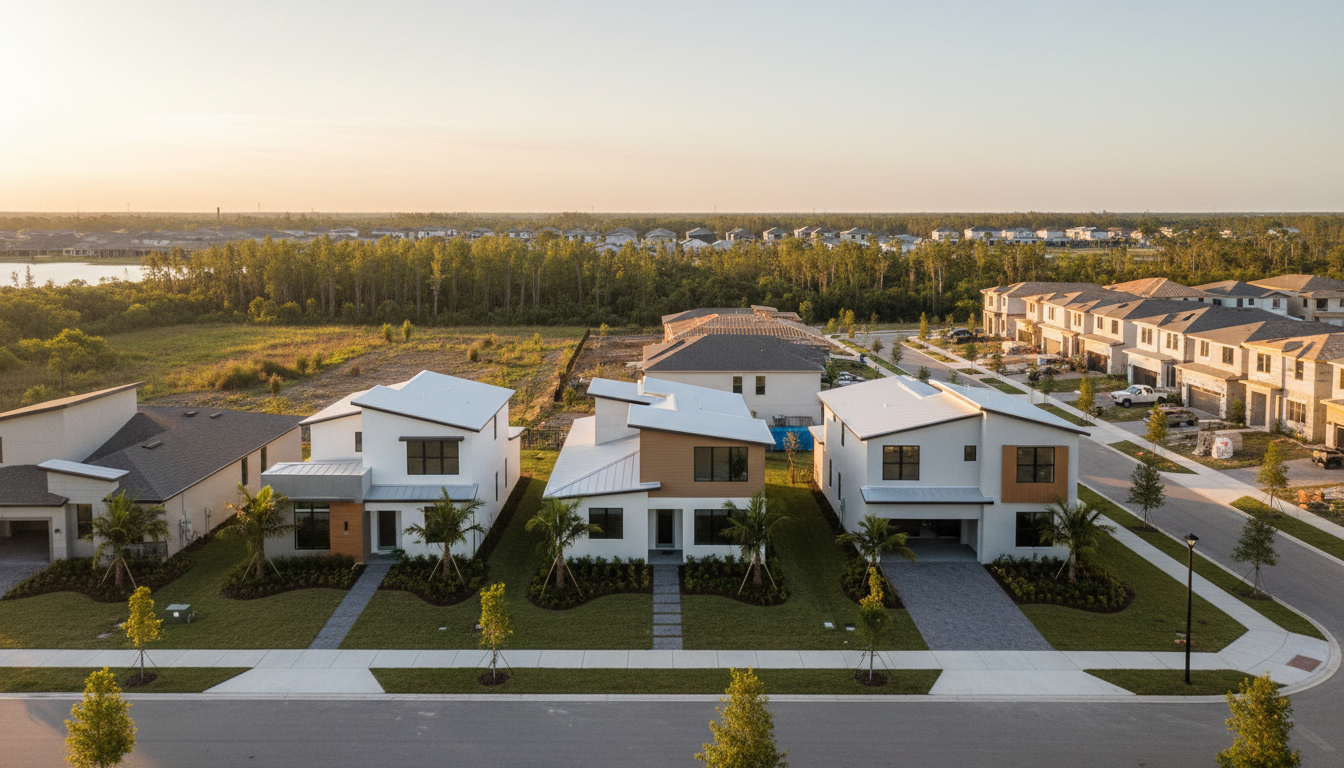
Residential development is a popular choice for property owners looking to capitalize on Florida's growing population. This strategy involves building homes or apartment complexes to sell or lease. It's essential to consider zoning laws, infrastructure, and market demand when pursuing this option.
Residential properties can range from single-family homes to high-rise apartments. Understanding the target market is key to maximizing profitability. In some areas, luxury homes might be in demand, while others may benefit from more affordable housing options.
Agricultural Use
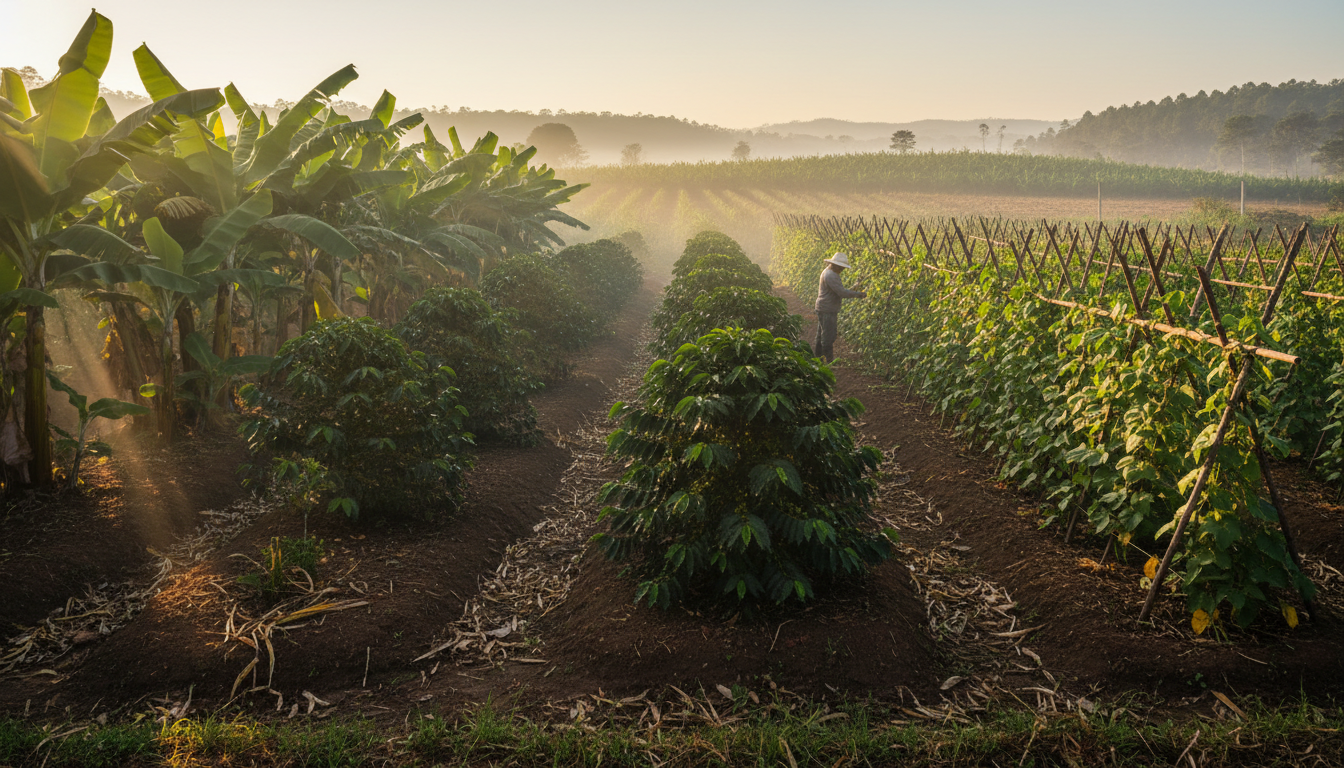
Agriculture is a long-standing land use practice in Florida, thanks to the state's favorable climate. From citrus groves to cattle ranching, agricultural activities can be lucrative. Consider soil quality, water access, and crop suitability when evaluating this option.
For those interested in sustainable practices, organic farming is gaining popularity. This approach not only meets consumer demand but also supports environmental conservation. It's important to research market trends and potential challenges like pest control and seasonal weather impacts.
Commercial Development
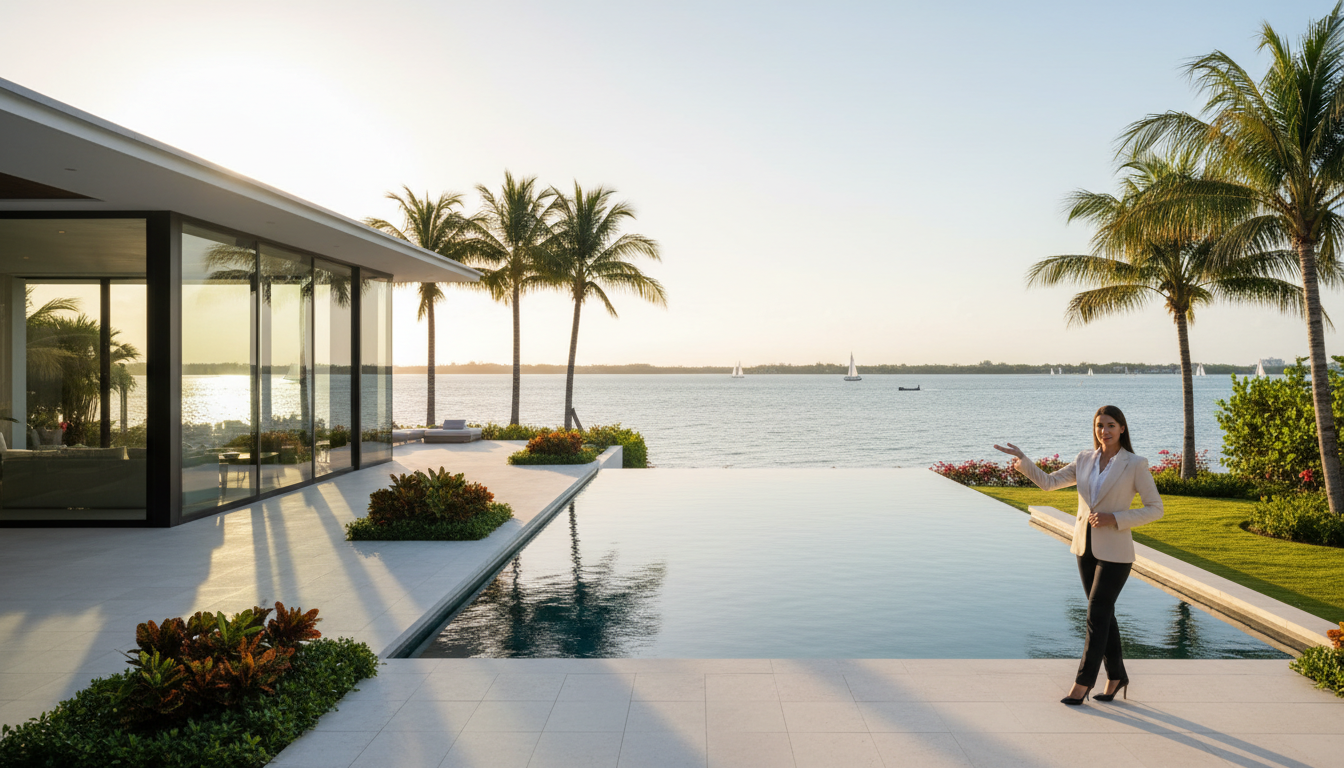
Commercial development offers opportunities to create retail spaces, office buildings, or mixed-use properties. This strategy can yield significant returns but often requires a substantial investment. Factors such as location, foot traffic, and competition are crucial to success.
Urban areas with growing populations may offer the best prospects for commercial ventures. Conducting a thorough market analysis will help identify the most promising opportunities and potential risks.
Conservation and Recreation
For those interested in preserving Florida's natural beauty, conservation and recreation can be rewarding. This approach involves maintaining the land for ecological purposes or developing it for recreational use, such as parks or nature trails.
Conservation easements can provide tax benefits while ensuring the land remains protected. Meanwhile, recreational development can attract tourists and boost local economies. Balancing ecological impact with economic benefits is key to this strategy.
Finding the Right Fit
Choosing the best land use strategy depends on various factors, including financial goals, environmental impact, and personal values. It's important to conduct due diligence and consult with experts to make an informed decision.
Consider creating a detailed plan that outlines your objectives and the steps needed to achieve them. By evaluating each strategy's pros and cons, you can align your property use with your long-term vision.
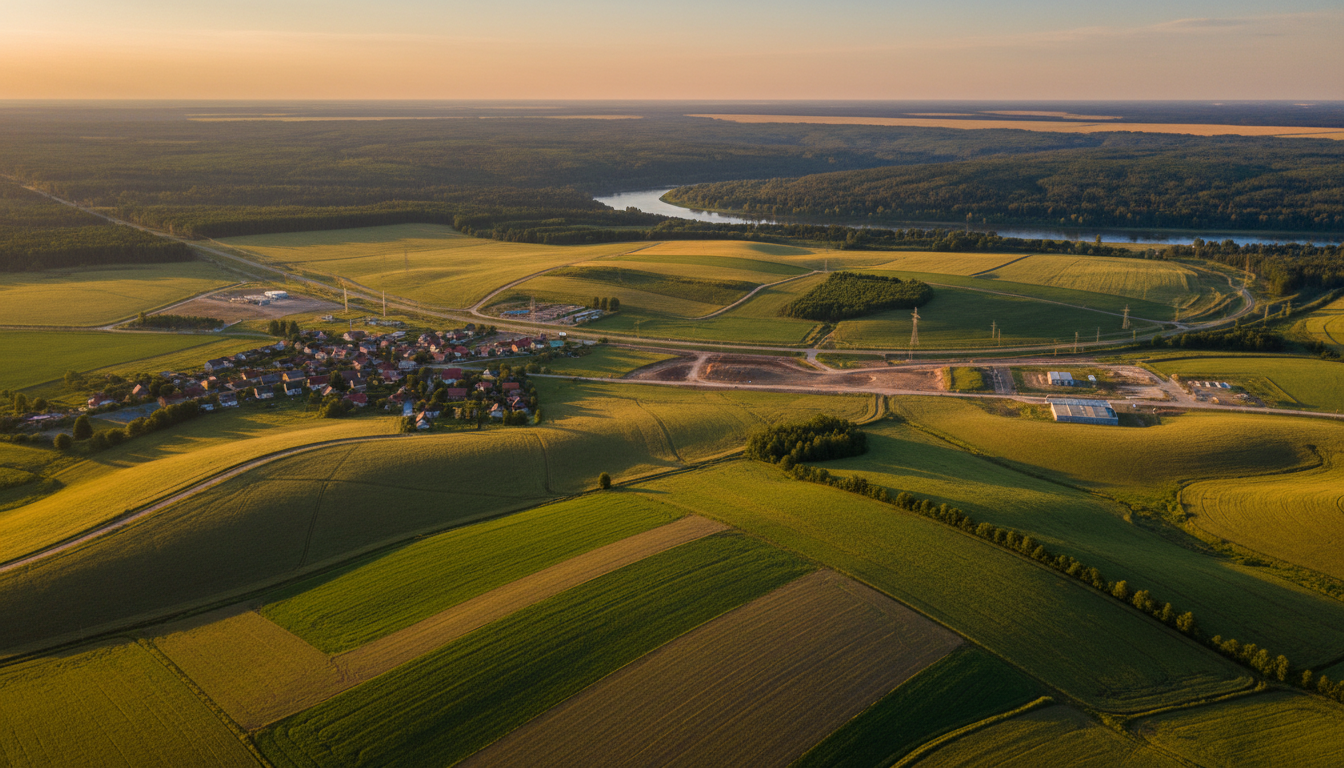
Ultimately, the right land use strategy for your Florida property will align with your goals and the unique characteristics of the land. Whether pursuing residential, agricultural, commercial, or conservation uses, thoughtful planning and research will guide you to success.