Comparing Land Management Techniques: Traditional vs. Sustainable Practices


Introduction to Land Management
Land management is a crucial aspect of environmental stewardship, influencing biodiversity, soil health, and water resources. As we face growing environmental challenges, understanding the differences between traditional and sustainable land management practices becomes increasingly important.
Traditional Land Management Techniques
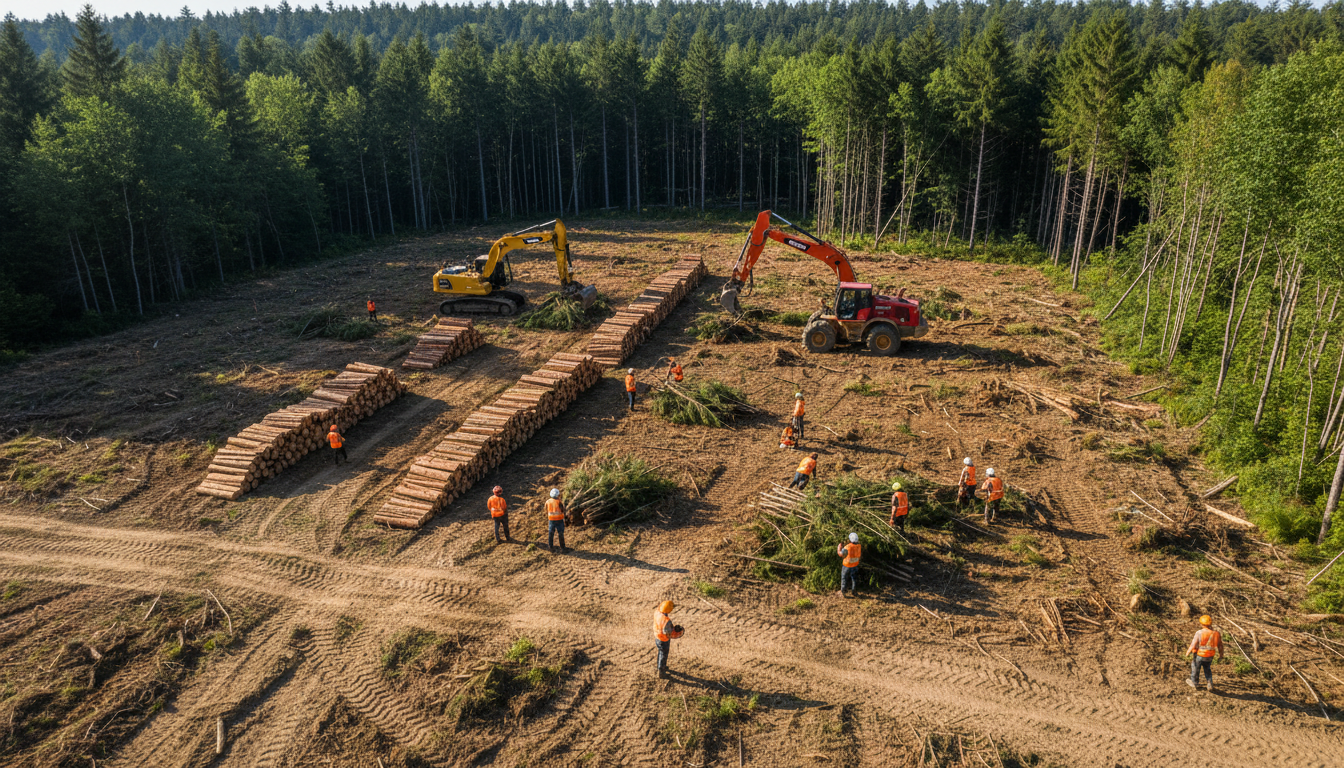
Traditional land management practices have been shaped over centuries, often based on local customs, climate, and available technology. These practices typically involve methods such as slash-and-burn agriculture, monoculture cropping, and intensive grazing. While these techniques can be effective in the short term, they often lead to soil degradation and reduced biodiversity over time.
Challenges of Traditional Practices
One major challenge of traditional land management is the reliance on chemical inputs like fertilizers and pesticides. These can lead to soil depletion and water contamination. Additionally, monoculture practices often reduce biodiversity, making ecosystems more vulnerable to pests and diseases.
Sustainable Land Management Techniques
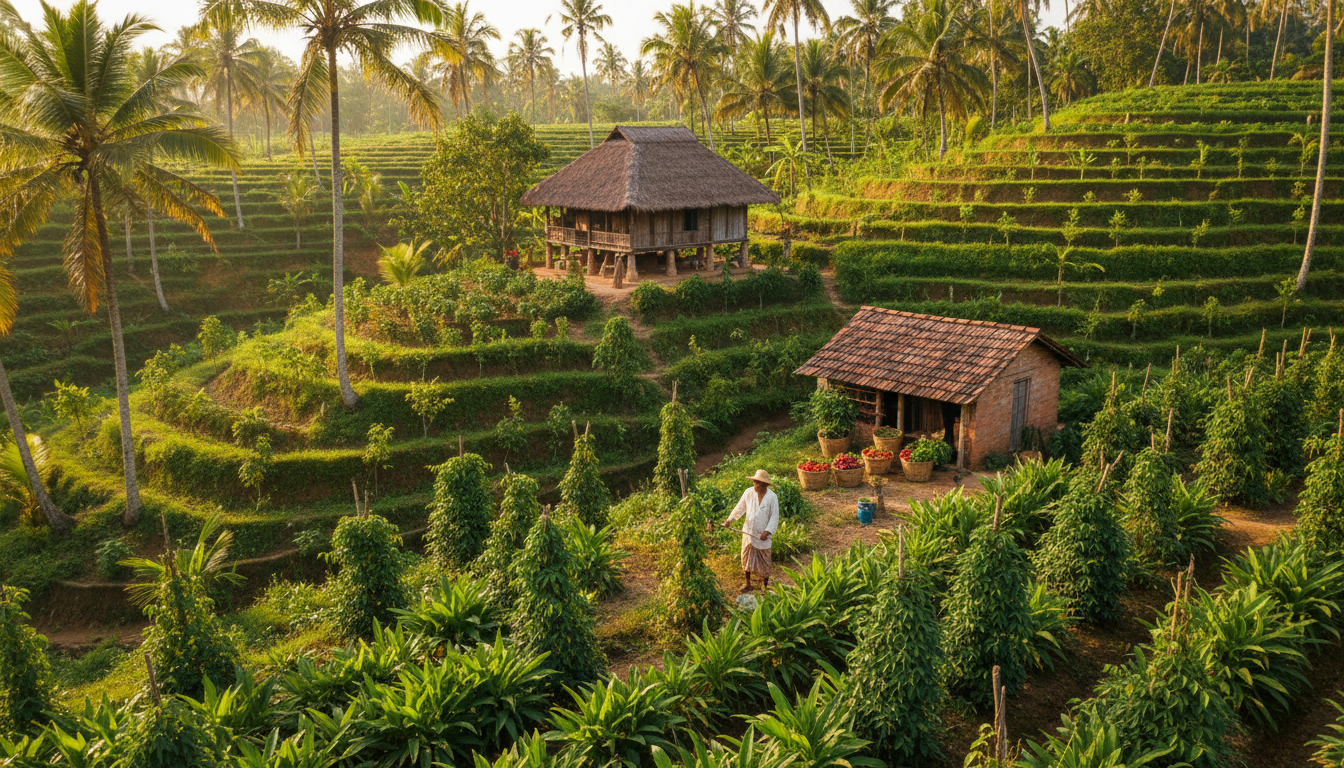
Sustainable land management seeks to balance environmental health with agricultural productivity. Techniques such as crop rotation, agroforestry, and organic farming are increasingly being adopted to enhance soil fertility and biodiversity. These practices aim to work with nature rather than against it.
Benefits of Sustainable Practices
Sustainable practices offer numerous benefits, including improved soil health, increased biodiversity, and reduced greenhouse gas emissions. By incorporating organic materials and reducing chemical inputs, these methods help maintain the soil's natural fertility. Additionally, they support a more resilient ecosystem capable of adapting to climate change.
Comparison of Techniques
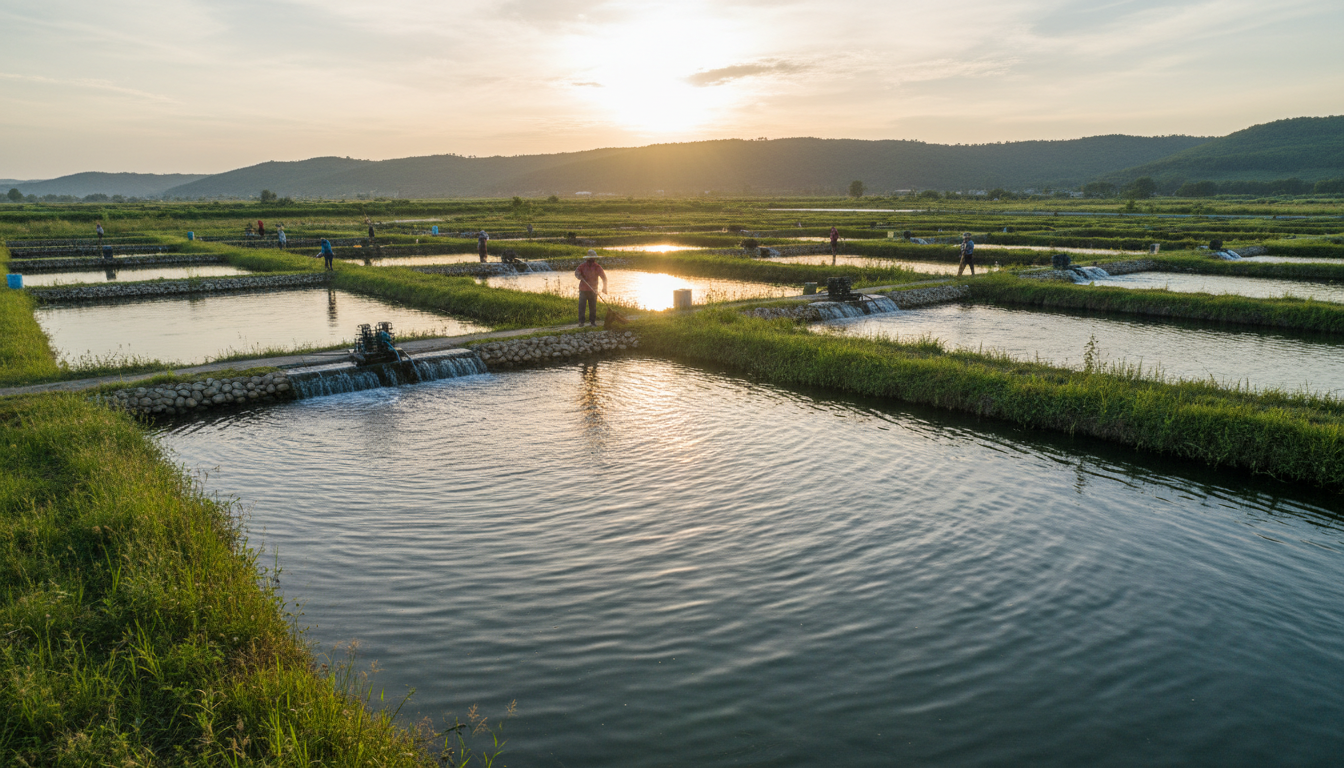
When comparing traditional and sustainable land management techniques, it is essential to consider their long-term impacts on the environment and agricultural productivity. While traditional practices may offer immediate results, they often compromise future land viability. In contrast, sustainable methods prioritize long-term ecological balance.
Economic and Social Implications
Economically, sustainable practices can initially require more investment in terms of knowledge and resources. However, they often lead to more stable yields and reduced dependency on expensive chemical inputs. Socially, sustainable land management can empower local communities by promoting local biodiversity and traditional knowledge.

Conclusion
The shift from traditional to sustainable land management is a vital step toward ensuring environmental health and agricultural productivity. By embracing sustainable practices, we can protect our natural resources for future generations while meeting current agricultural demands. As awareness and technology advance, the implementation of these practices will likely continue to grow, offering a hopeful path forward for both people and the planet.