Case Study: Transforming a Small Plot into a Sustainable Homestead


Introduction to Sustainable Homesteading
In recent years, the concept of sustainable living has gained immense popularity, with many individuals and families looking to reduce their carbon footprint and live more harmoniously with nature. One inspiring example of this movement is the transformation of a small plot into a sustainable homestead. This case study explores the journey of turning a modest piece of land into a thriving, self-sufficient ecosystem.
Planning and Design
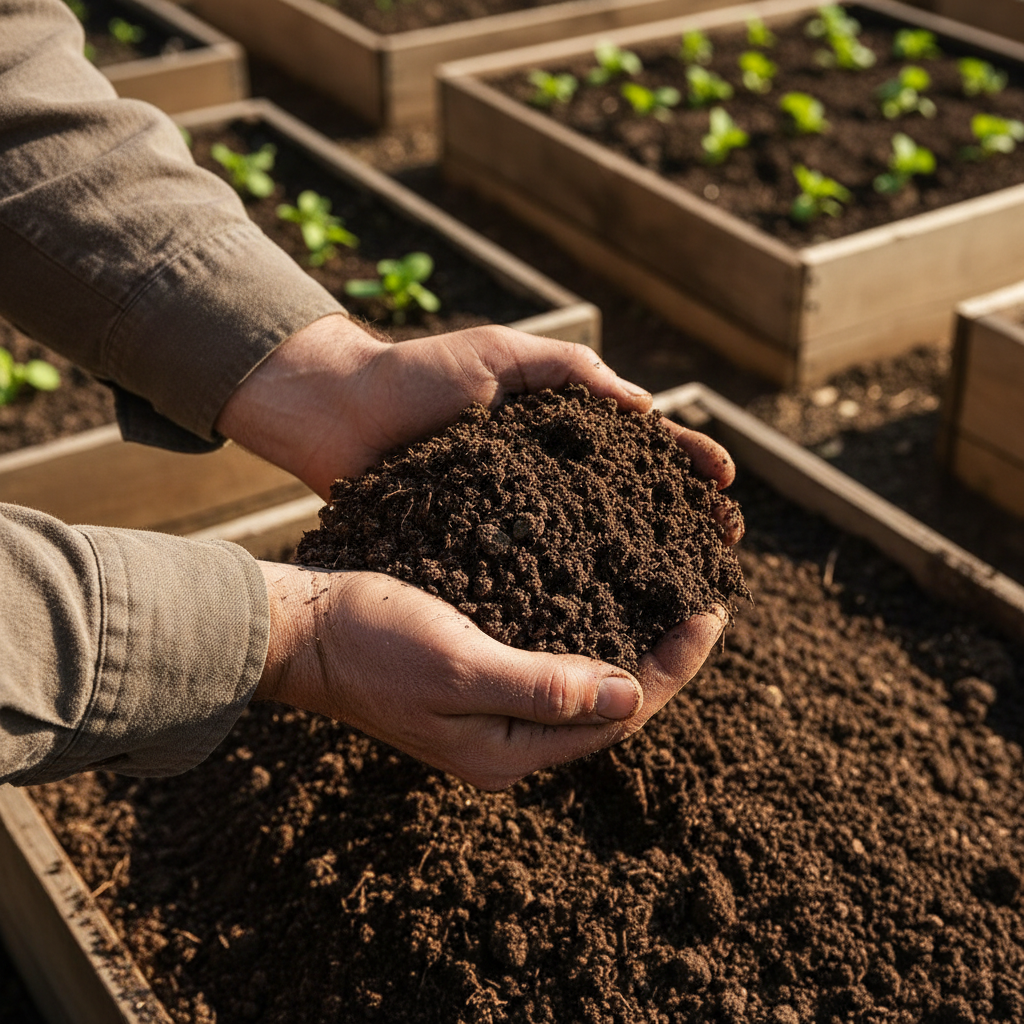
The first step in creating a sustainable homestead involves careful planning and design. The owners started by assessing the land's natural resources, such as sunlight, soil quality, and water supply. Based on this assessment, they designed a layout that maximized efficiency and minimized waste.
Key considerations included the placement of gardens, water storage systems, and renewable energy sources. By prioritizing these elements, the owners ensured that their homestead would be both productive and sustainable in the long term.
Building a Sustainable Garden
A crucial part of the homestead's transformation was the development of a sustainable garden. The owners implemented permaculture principles, which focus on mimicking natural ecosystems to create self-sustaining agricultural systems. This included planting a variety of fruits, vegetables, and herbs that complemented each other and improved soil health.
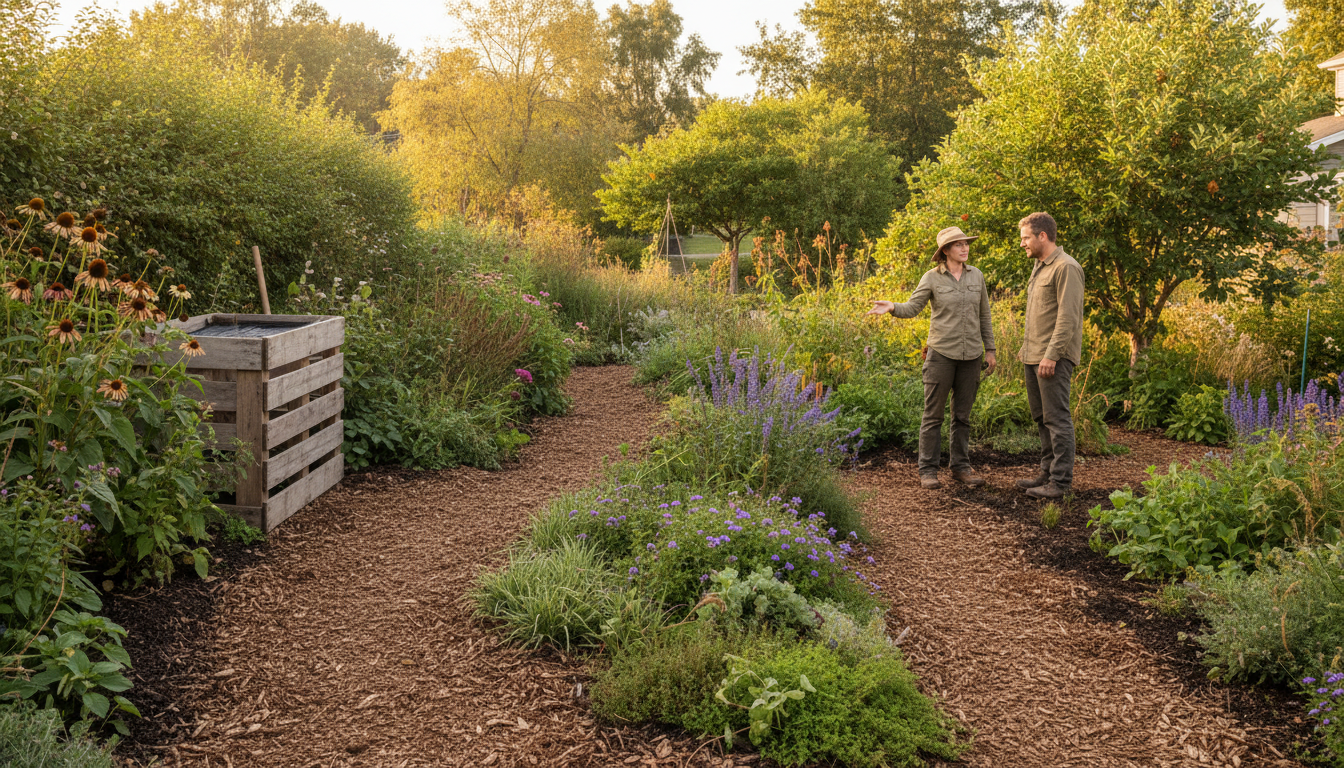
Additionally, they introduced composting practices to recycle organic waste and enrich the soil naturally. This not only reduced waste but also improved the quality and yield of their produce, ensuring a steady supply of fresh, organic food.
Water Management Strategies
Effective water management was another essential aspect of this homestead transformation. The owners installed rainwater harvesting systems to capture and store rainwater, reducing their reliance on external water sources. They also implemented drip irrigation techniques, which minimized water usage while ensuring that plants received adequate hydration.
By employing these strategies, the homestead achieved a significant reduction in water waste, contributing to its overall sustainability.
Renewable Energy Integration
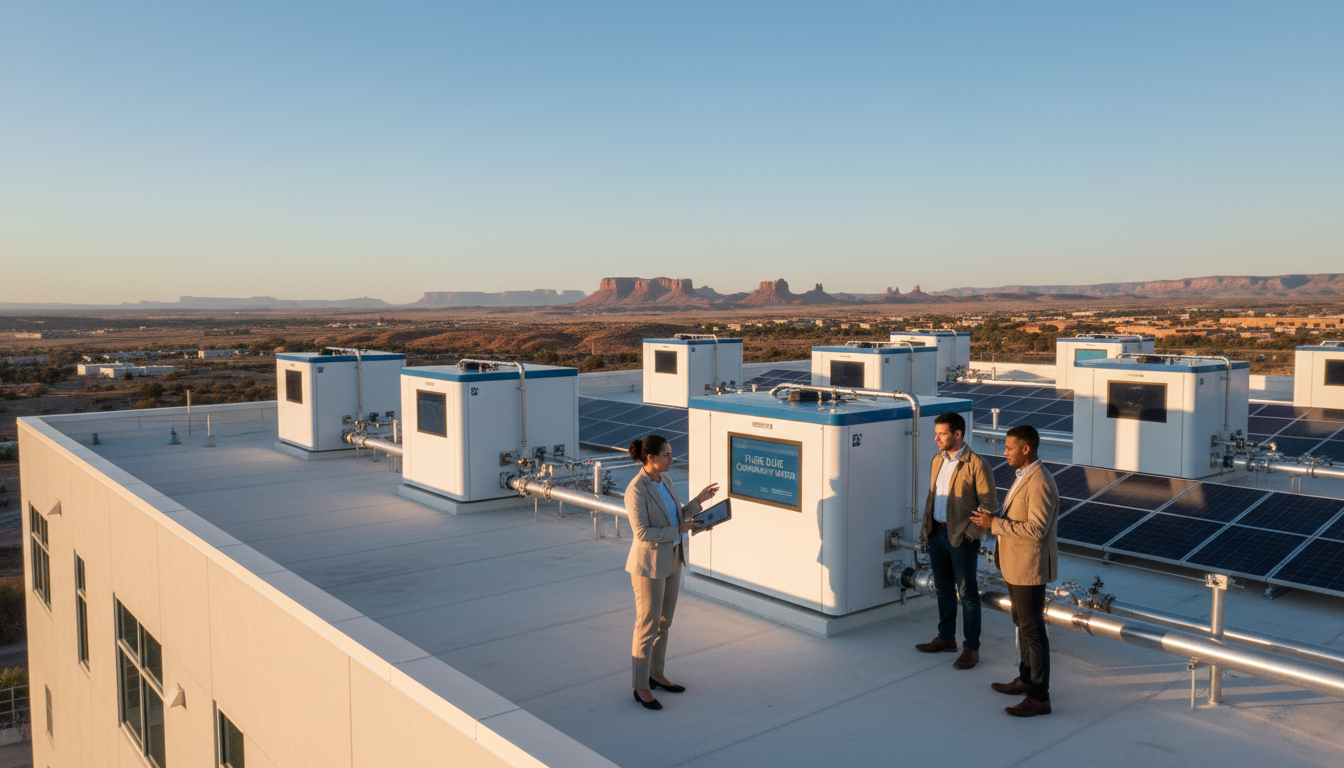
To further enhance sustainability, the homestead incorporated renewable energy solutions. Solar panels were installed to harness the sun's energy, providing a clean, renewable power source for the property. This not only reduced electricity costs but also minimized the carbon footprint of the homestead.
Additionally, the use of energy-efficient appliances and LED lighting further contributed to energy conservation efforts. These measures ensured that the homestead operated efficiently and sustainably throughout the year.
Community and Education
A unique aspect of this homestead transformation was the emphasis on community involvement and education. The owners regularly hosted workshops and tours, sharing their knowledge and experiences with others interested in sustainable living. This fostered a sense of community and inspired others to embark on their sustainability journeys.
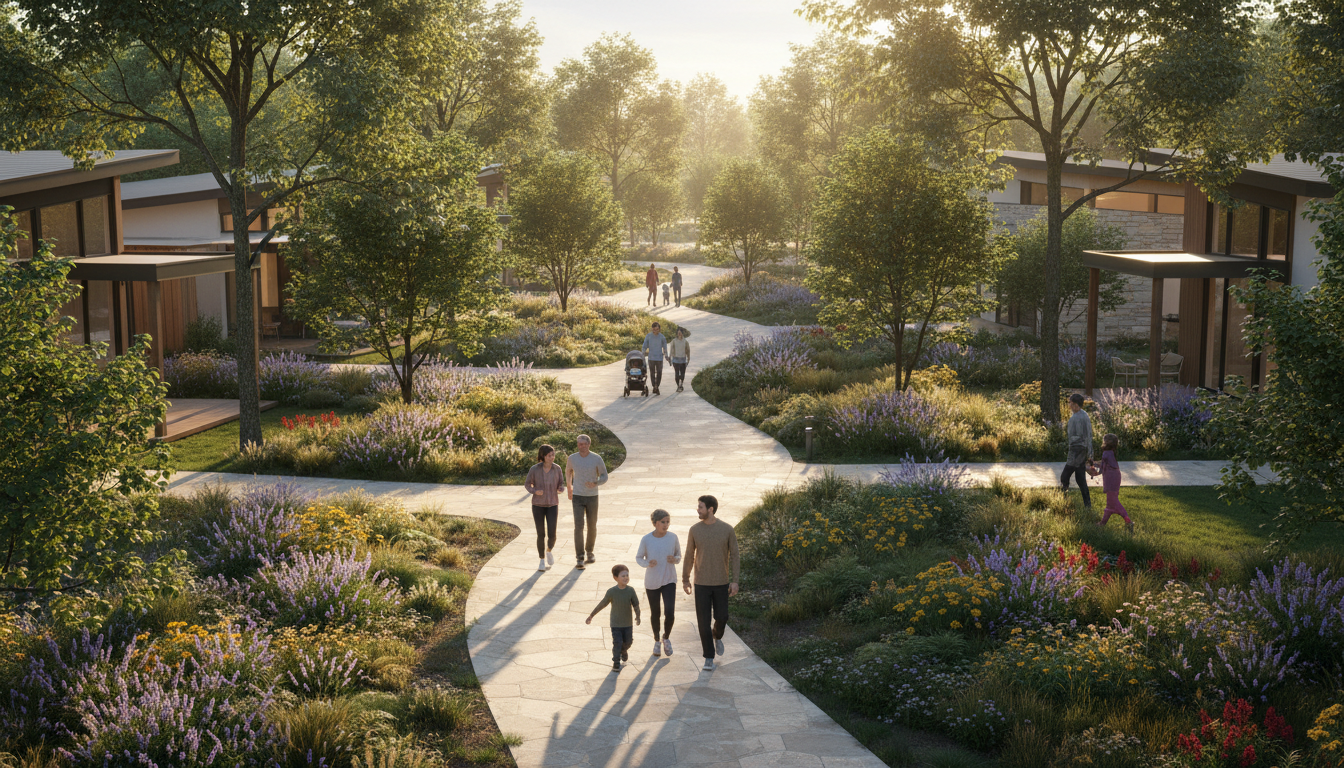
Through these efforts, the homestead not only became a model of sustainability but also a hub for learning and collaboration.
Challenges and Lessons Learned
While the transformation of the small plot into a sustainable homestead was successful, it was not without challenges. The owners faced issues such as pest control, soil erosion, and initial costs of setup. However, they overcame these obstacles through creative problem-solving and community support.
Key lessons learned included the importance of adaptability, continuous learning, and the value of community in achieving sustainability goals.
Conclusion: A Model for Sustainable Living
This case study illustrates the potential for small-scale sustainable living. By transforming a modest plot into a thriving homestead, the owners demonstrated that sustainability is achievable with dedication, innovation, and community support. Their story serves as an inspiring example for anyone looking to embrace a more sustainable lifestyle.