Case Study: Transforming a Small Florida Property into a Self-Sufficient Homestead


Introduction to Homesteading
In recent years, the concept of homesteading has gained significant popularity. More individuals are seeking ways to live sustainably, reduce their dependency on external resources, and embrace a self-sufficient lifestyle. This case study explores the journey of transforming a small Florida property into a thriving, self-sufficient homestead.
Initial Assessment and Planning
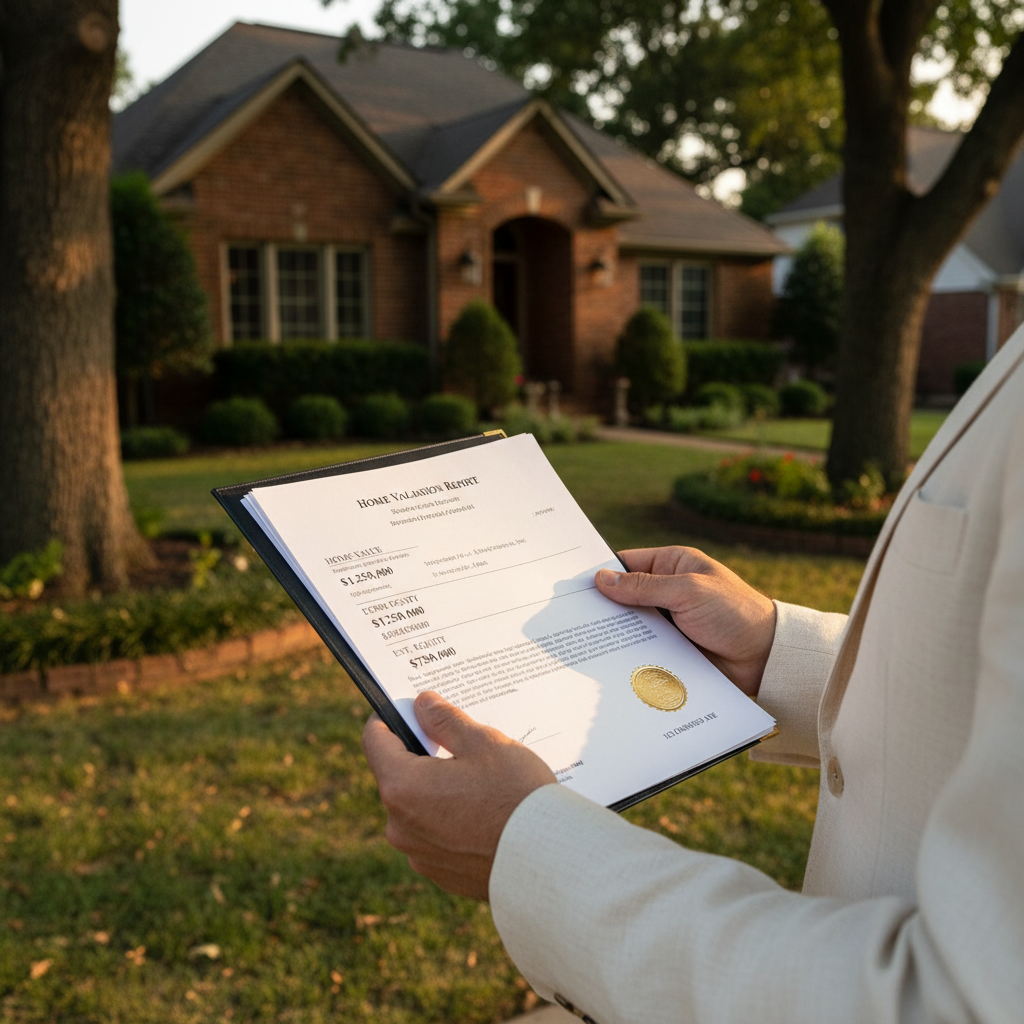
The first step in this transformation was a thorough assessment of the property. The owners evaluated the land's potential by considering factors such as soil quality, water availability, and sunlight exposure. They then developed a comprehensive plan that included both short-term and long-term goals. This strategic planning was crucial for ensuring the success of their homesteading venture.
Key considerations included:
- Identifying areas suitable for vegetable gardens
- Determining the best locations for livestock
- Planning for renewable energy sources
Building Infrastructure
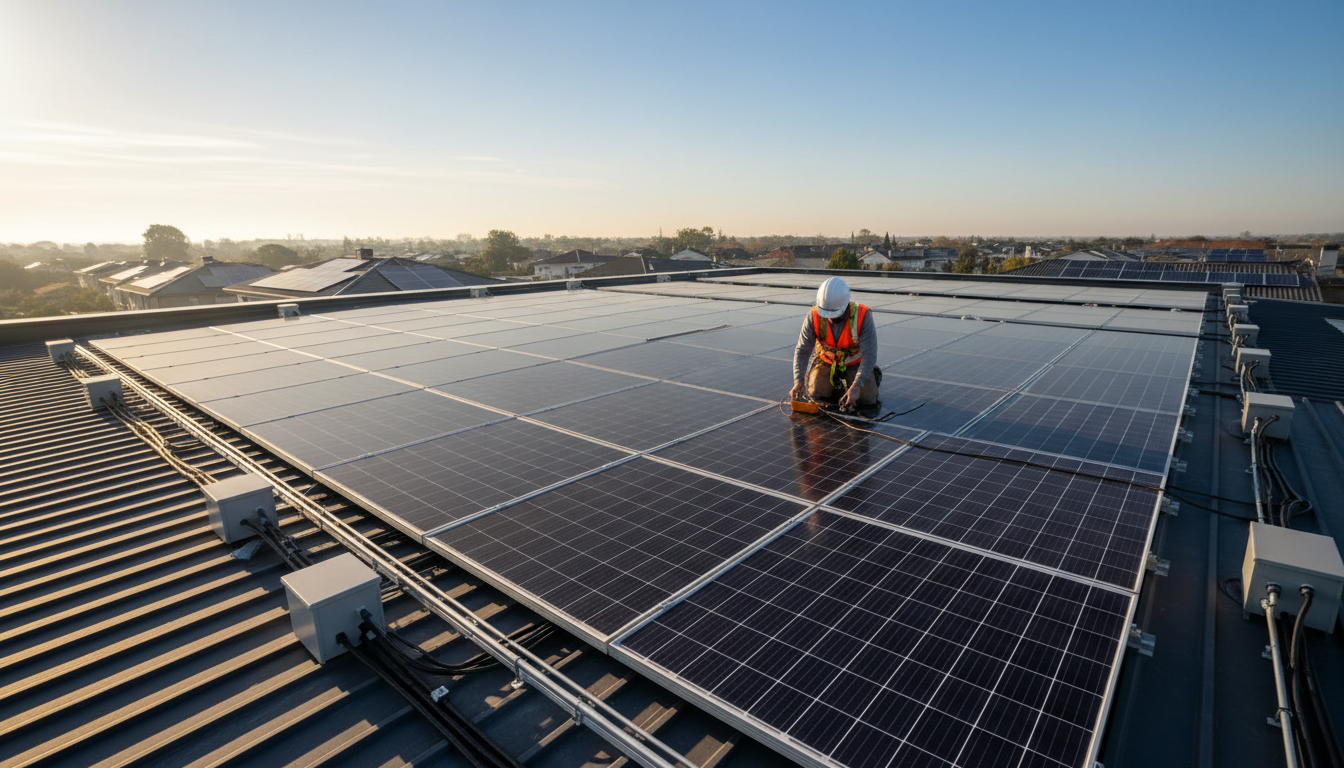
With a plan in place, the next phase involved building essential infrastructure. The owners prioritized setting up rainwater collection systems, installing solar panels, and constructing a greenhouse. These elements not only supported sustainable practices but also helped minimize utility costs.
A significant aspect of their infrastructure development was the creation of a composting system. This allowed them to recycle organic waste and produce nutrient-rich soil, enhancing the fertility of their gardens.
Establishing Food Sources
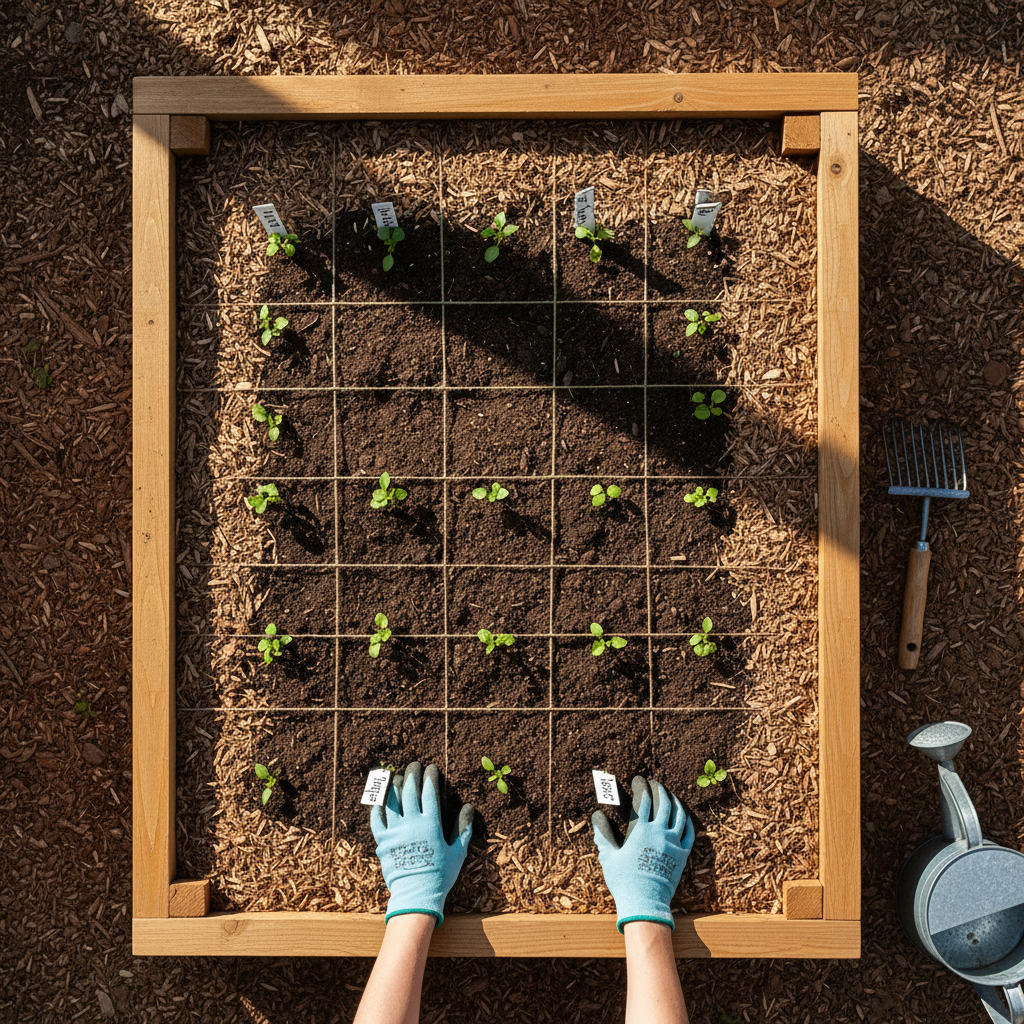
One of the primary goals of the homestead was to produce a significant portion of the family's food. They began by planting a variety of vegetables and fruits that thrive in Florida's climate. Over time, they expanded to include herbs and medicinal plants.
The owners also introduced poultry and a small herd of goats to the property. These animals provided eggs, milk, and meat, contributing to the homestead's self-sufficiency.
Challenges and Solutions
Throughout their journey, the homesteaders faced several challenges, including pests and extreme weather conditions. They tackled these issues by implementing natural pest control methods and designing resilient structures to withstand storms.
Networking with other local homesteaders proved invaluable, as they shared experiences and solutions unique to Florida's environment. This community support was instrumental in overcoming obstacles.
Benefits of a Self-Sufficient Homestead
The transformation of the property into a self-sufficient homestead brought numerous benefits. The family experienced a greater connection to nature and enjoyed the satisfaction of producing their own food. Moreover, they significantly reduced their carbon footprint and living expenses.
Additionally, the homestead became a source of education and inspiration for others interested in sustainable living. The owners regularly hosted workshops to share their knowledge and experiences.
Conclusion
This case study illustrates the potential of converting a small property into a self-sufficient homestead. With careful planning, resourcefulness, and community support, it is possible to live sustainably and independently. The success of this Florida homestead serves as a testament to the growing movement towards self-reliance and environmental stewardship.