Case Study: Transforming a Marion County Plot into a Thriving Homestead


Introduction to a Marion County Transformation
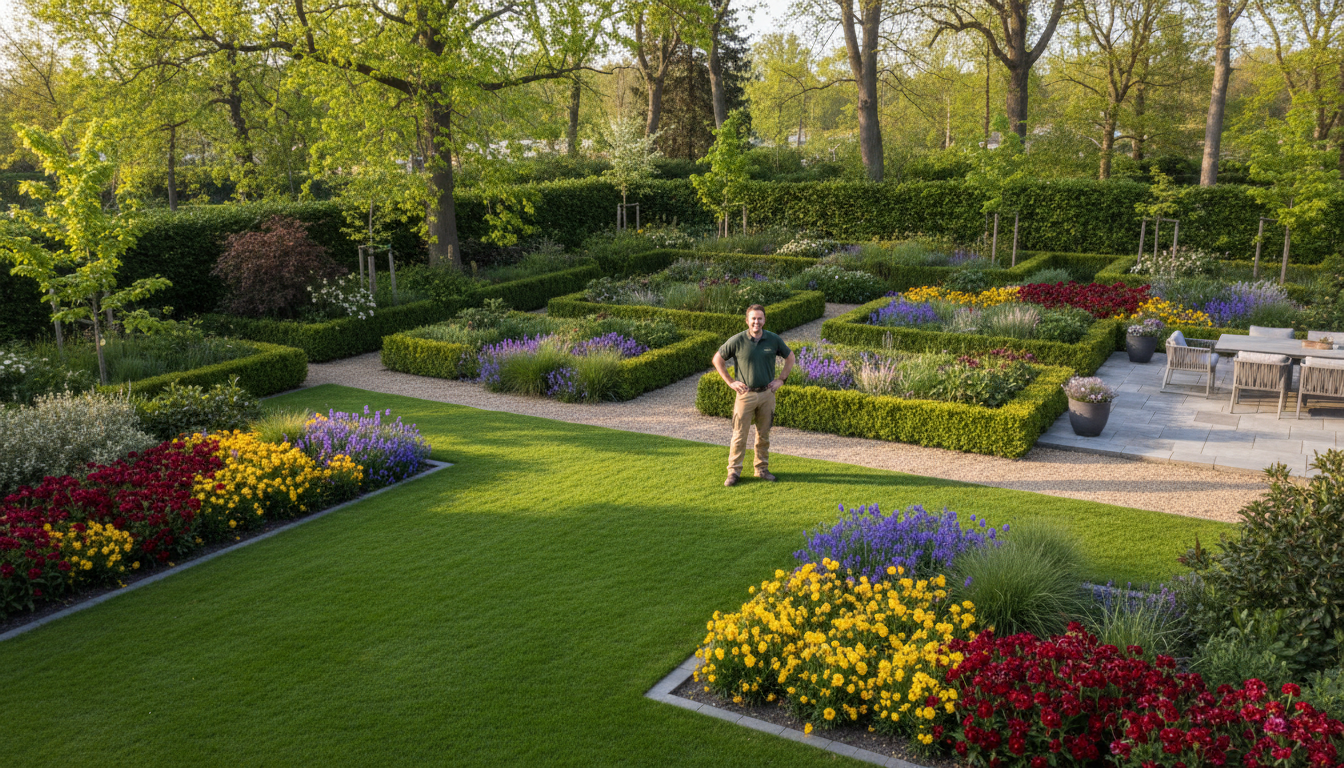
In the heart of Marion County, a seemingly ordinary plot of land was transformed into a thriving homestead. This case study explores the journey of turning this parcel into a sustainable and productive haven, highlighting the strategies and innovations that made it possible.
Initial Challenges and Planning
The project began with several challenges, including poor soil quality and limited water resources. The first step was a comprehensive assessment of the land. This involved soil testing, water analysis, and a survey of existing flora and fauna. Armed with this data, the team developed a detailed plan to address these issues effectively.
Key strategies included soil enrichment through organic composting, the introduction of drought-resistant plants, and the installation of a rainwater harvesting system. These foundational steps were crucial in setting the stage for future growth.
Building a Sustainable Ecosystem
Creating a sustainable ecosystem was at the core of this transformation. The team focused on permaculture principles, which emphasize working with natural systems rather than against them. This involved planting a diverse range of crops, including fruit trees, vegetables, and herbs, to ensure year-round productivity.
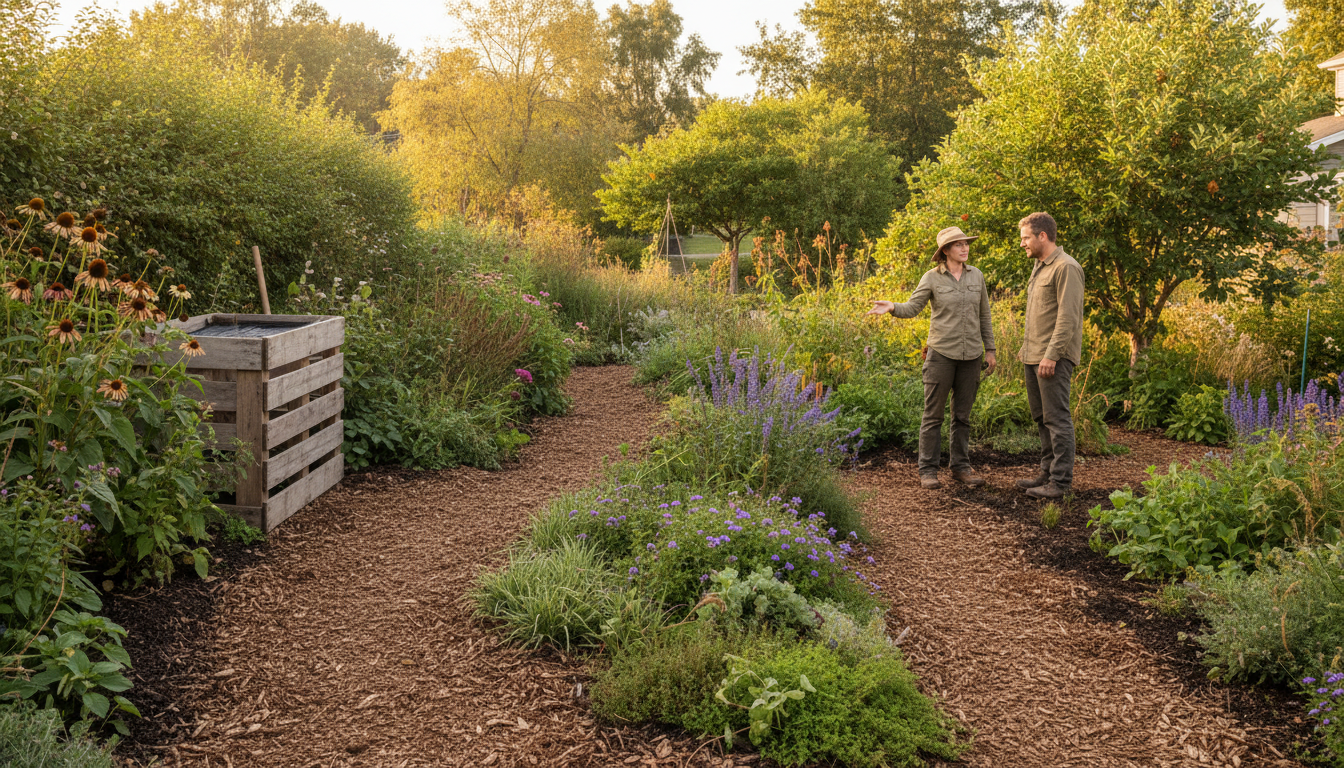
Companion planting techniques were employed to enhance biodiversity and control pests naturally. For example, planting marigolds alongside vegetables helped deter harmful insects without the need for chemical pesticides.
Innovative Water Management
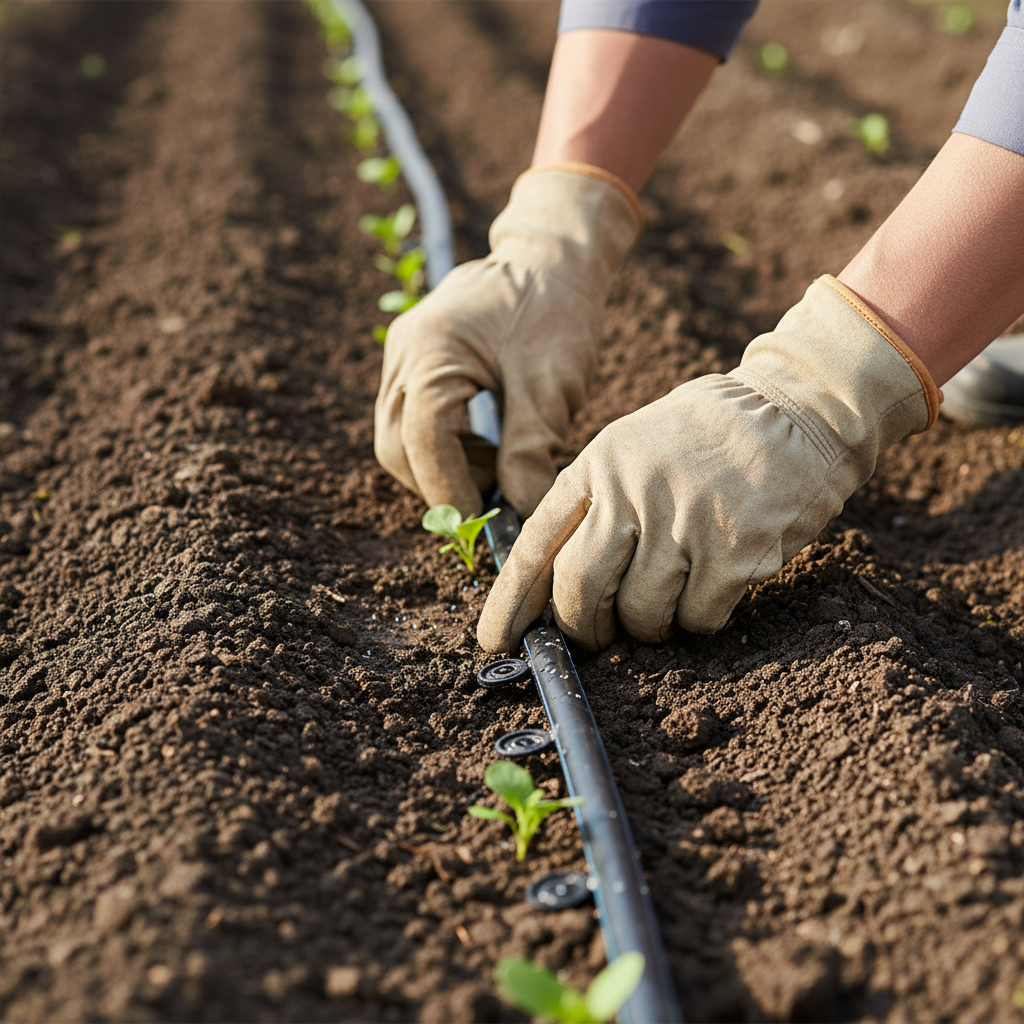
Water management was another critical component of the homestead's success. A combination of rainwater harvesting and drip irrigation systems ensured efficient water use. This not only conserved water but also provided a consistent supply during dry spells.
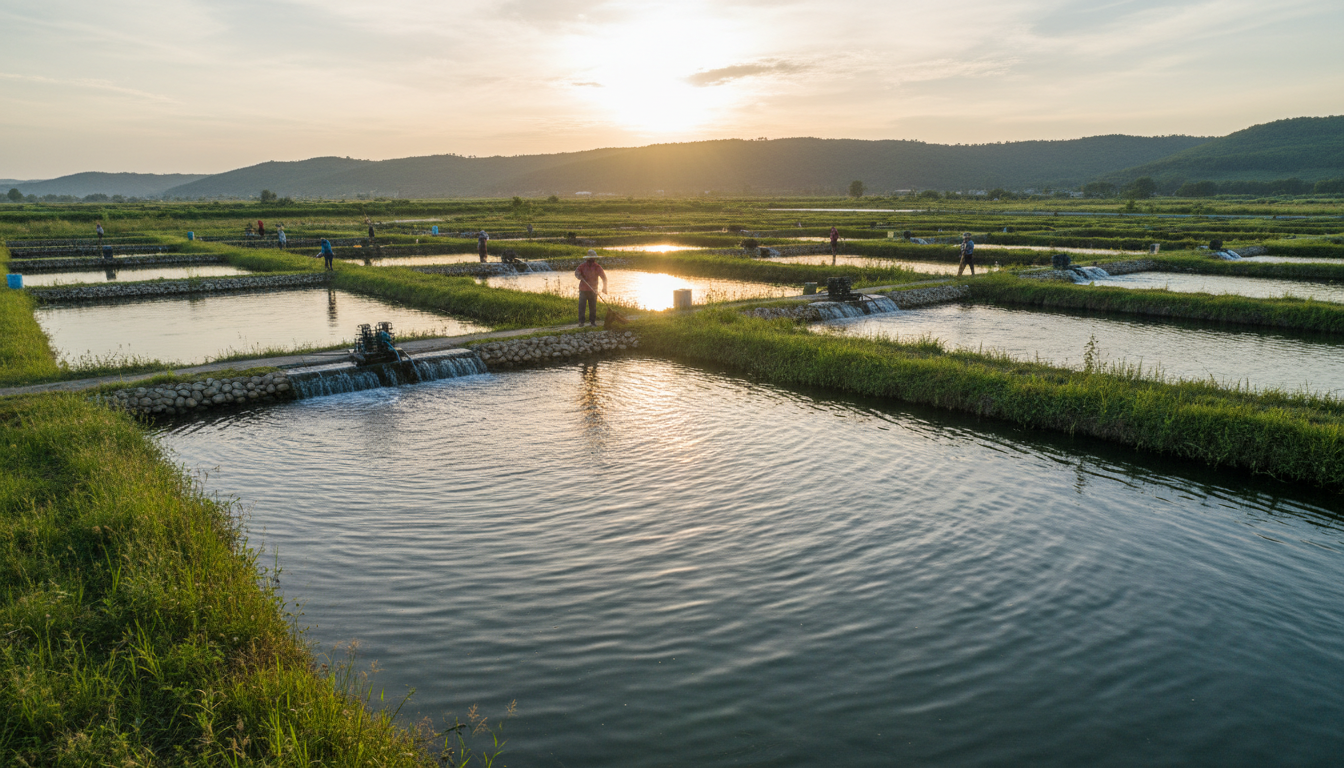
The installation of a small pond served multiple purposes: it supported local wildlife, provided irrigation water, and added a scenic element to the homestead.
Community Engagement and Education
Throughout the project, community engagement played a significant role. Workshops and open days were organized to educate local residents about sustainable practices. This not only fostered a sense of community but also encouraged others to adopt similar methods in their own gardens.
Volunteers from the community often participated in planting and maintenance activities, building a strong network of support and shared knowledge.
Outcomes and Future Plans
The transformation of the Marion County plot into a thriving homestead has been remarkable. The land now supports a rich variety of crops and local wildlife, demonstrating the potential of sustainable land management. The homestead has become a model for others in the region, inspiring similar projects.
Looking ahead, plans are in place to expand educational programs and explore additional sustainable technologies, such as solar power and advanced composting methods. The success of this project illustrates the incredible potential of thoughtful planning and community collaboration in transforming land into a sustainable and productive homestead.