Alternatives to Selling Land to Developers: Building a Legacy


Understanding the Value of Your Land
Owning land is a significant asset that can offer more than just a financial return. While selling to developers might seem like the most straightforward option, there are numerous alternatives that can help you build a lasting legacy. Understanding the true value of your land is the first step in exploring these possibilities.
Consider the environmental, cultural, and personal significance your land holds. By preserving these aspects, you can create a legacy that extends beyond mere profit. Let's explore some of the viable alternatives to selling to developers.
Conservation Easements
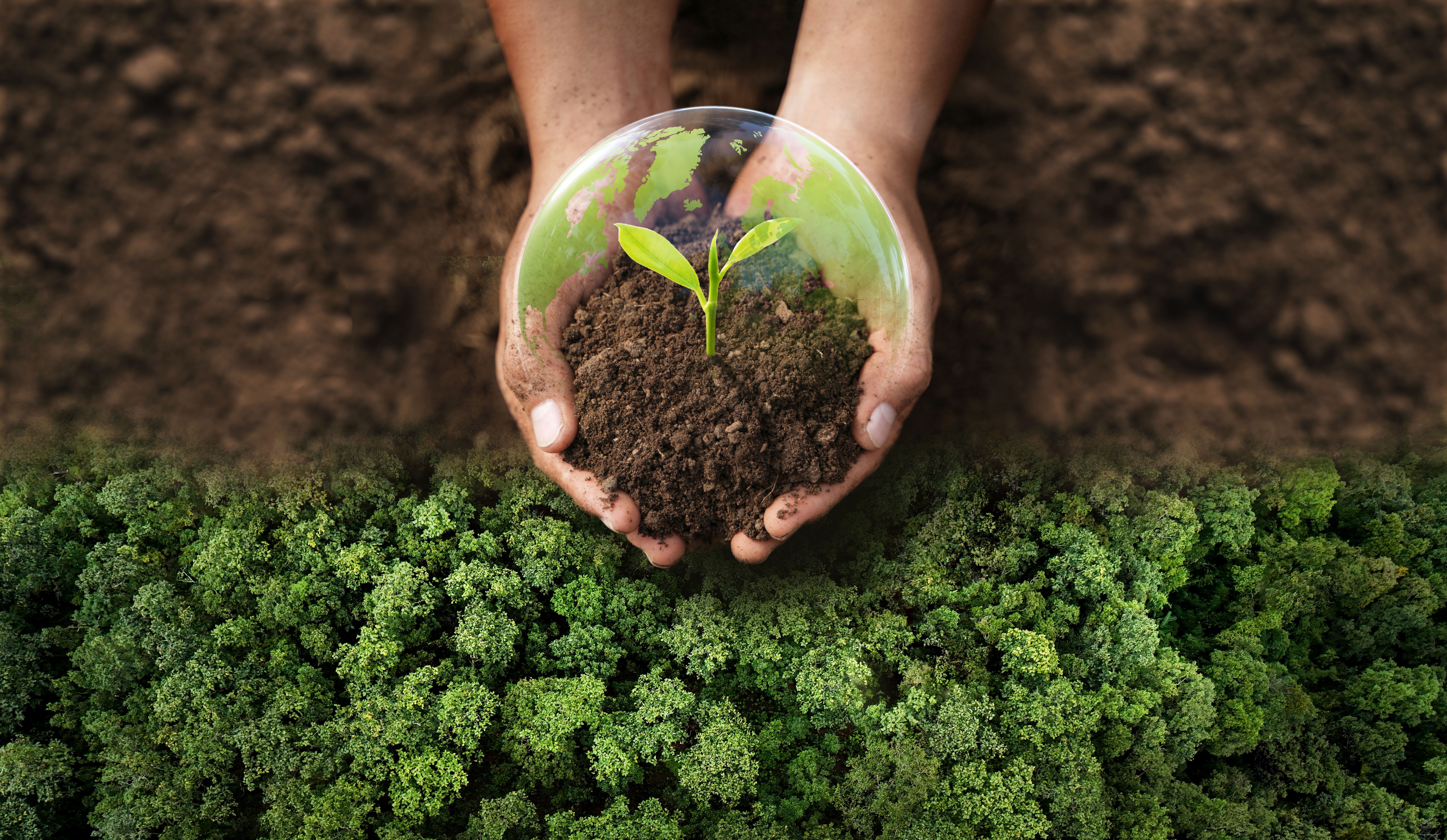
One option to consider is establishing a conservation easement. This legal agreement allows you to restrict the use of your land to protect its conservation values. By doing so, you can preserve the natural beauty and biodiversity of the area while still retaining ownership.
Conservation easements can also offer tax benefits, providing a financial incentive to maintain the land's ecological integrity. This approach not only protects the environment but also ensures that future generations can enjoy and appreciate the land.
Community Land Trusts
Another alternative is to place your land into a community land trust. This model helps protect land for community use and ensures it remains affordable and accessible. By doing so, you contribute to community development and create a shared space that benefits everyone.
Community land trusts can support various initiatives, such as affordable housing, local agriculture, or public parks. This approach fosters a sense of community ownership and stewardship, creating a legacy of collaboration and sustainability.

Developing Recreational Spaces
If you wish to maintain ownership while generating revenue, consider developing recreational spaces on your land. Parks, trails, or campgrounds can provide public enjoyment and preserve the land's natural beauty.
Recreational spaces offer the benefit of attracting visitors, promoting tourism, and supporting local economies. By investing in the development of these areas, you can create a sustainable source of income while maintaining the land's ecological value.
Agroforestry and Sustainable Agriculture
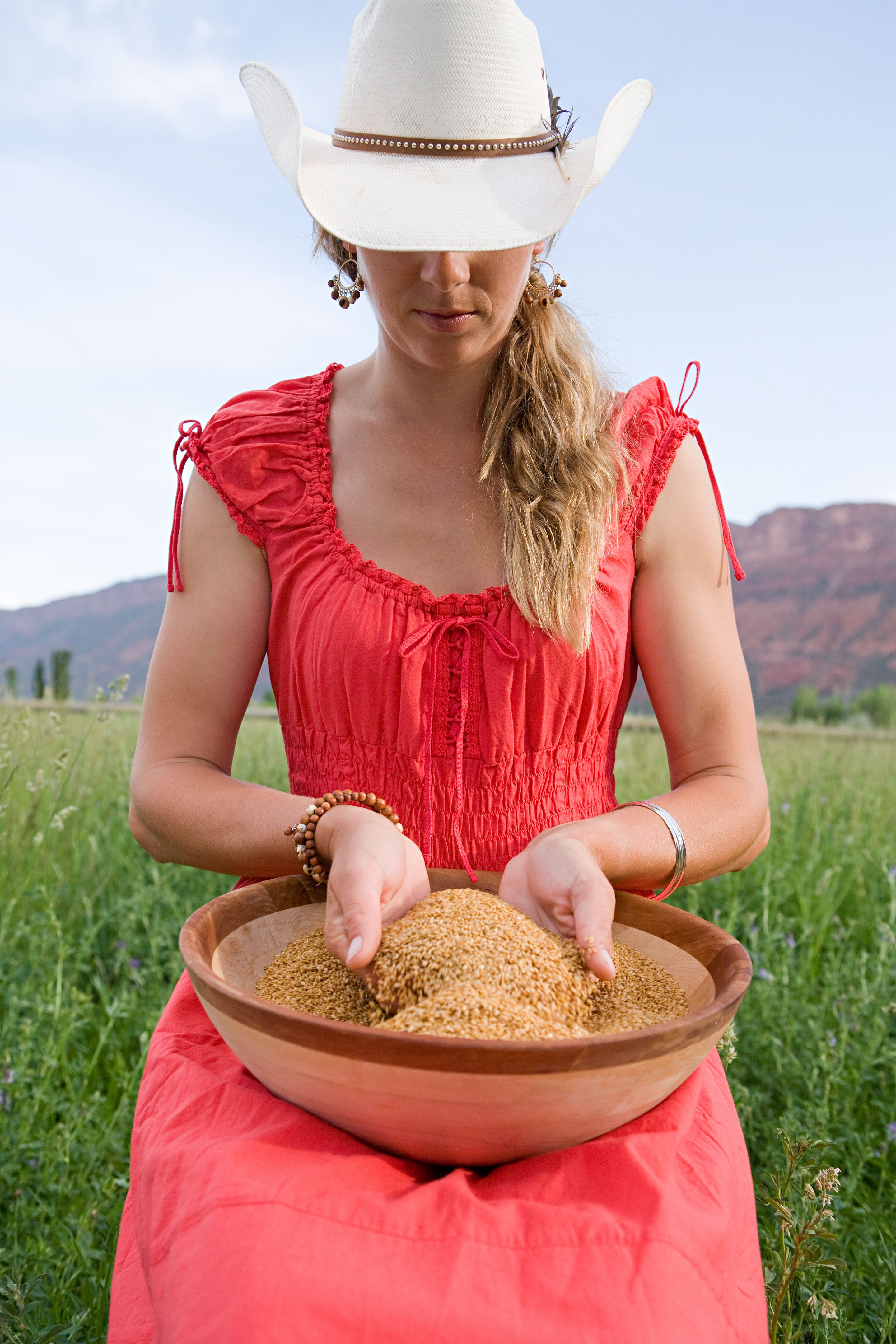
Agroforestry and sustainable agriculture are innovative ways to utilize your land. By integrating trees and crops, you can enhance biodiversity and improve soil health. This approach not only supports the environment but also provides economic benefits.
Engaging in sustainable agriculture can lead to lucrative business opportunities, such as organic farming or specialty crop production. This method ensures your land remains productive and environmentally friendly.
Creating Educational Opportunities
Your land can serve as an educational resource, offering opportunities for schools, universities, and research institutions. By establishing partnerships with educational organizations, you can facilitate outdoor learning experiences and research projects.
This approach allows you to contribute to education and scientific advancement while preserving the land's natural state. Educational partnerships can inspire future generations to value and protect the environment.
Conclusion: Building a Lasting Legacy
Exploring alternatives to selling land to developers opens the door to building a meaningful legacy. Whether through conservation, community collaboration, or sustainable development, there are numerous ways to ensure your land continues to provide value for generations to come.
Consider these options carefully and choose a path that aligns with your values and vision for the future. By doing so, you can leave behind a legacy that enriches both people and the planet.