A Beginner’s Guide to Starting a Sustainable Farm in Ocala


Introduction to Sustainable Farming in Ocala
Starting a sustainable farm in Ocala is an exciting venture that combines environmental stewardship with agricultural productivity. Ocala's rich soil and favorable climate make it an ideal location for sustainable farming practices. Whether you're a newcomer or have some farming experience, understanding the basics of sustainability is crucial.
Understanding Sustainable Farming
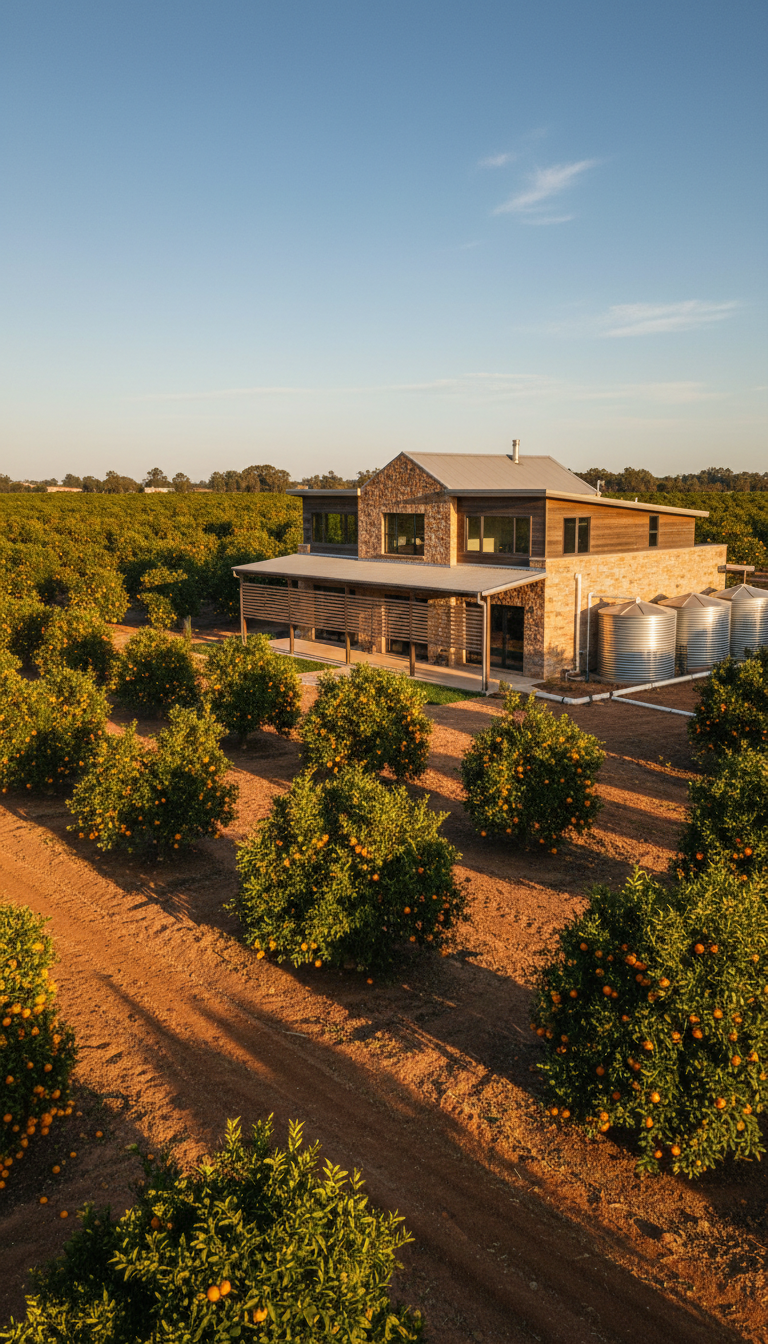
Sustainable farming focuses on producing food without depleting natural resources or harming the environment. This approach ensures that farming remains viable for future generations. Key principles include maintaining soil health, conserving water, and promoting biodiversity. By adopting these practices, farmers can create a balanced ecosystem that supports both crops and wildlife.
Soil Health Management
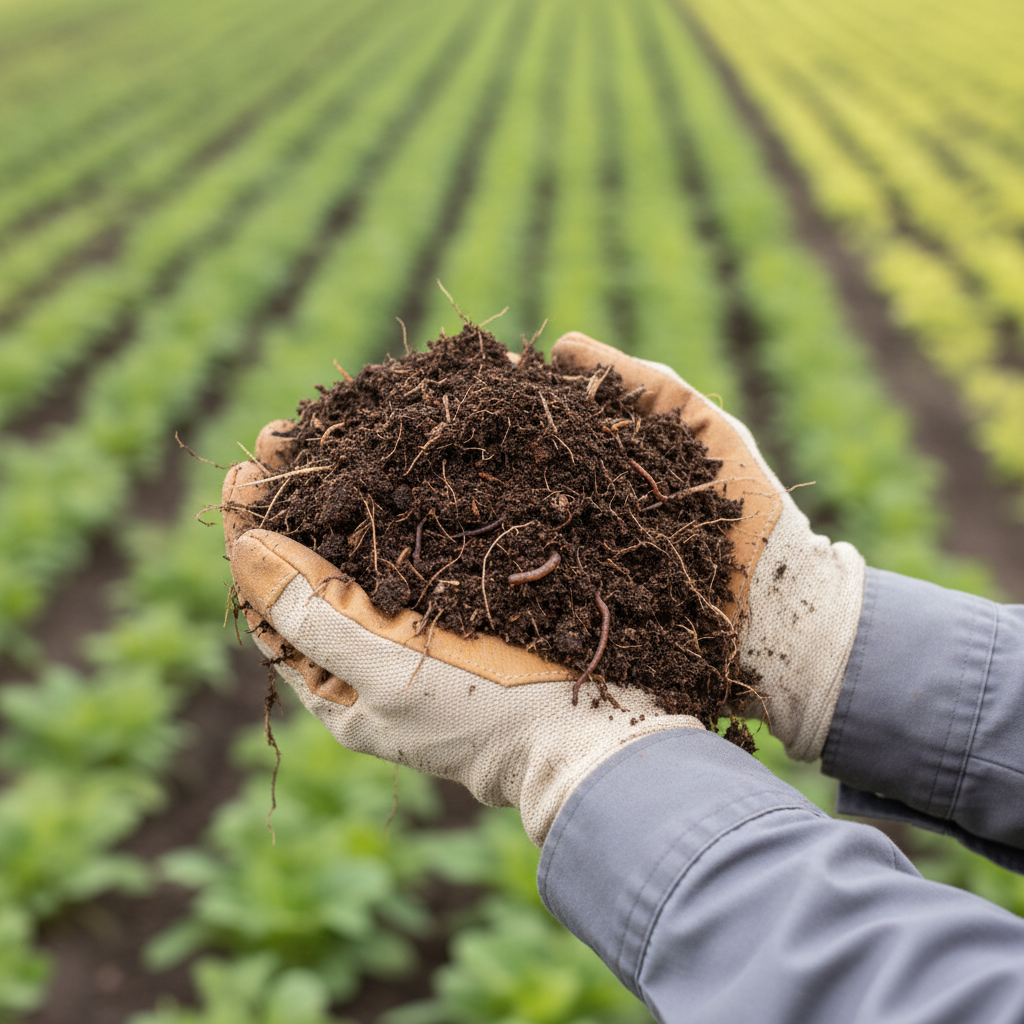
Healthy soil is the foundation of a sustainable farm. Practices like crop rotation, cover cropping, and composting can enhance soil fertility. Avoiding chemical fertilizers and pesticides helps maintain the natural balance of the soil. Regular soil testing can guide you in making informed decisions about nutrient management.
Water Conservation Techniques
Water is a precious resource, and conserving it is crucial in sustainable farming. Implementing drip irrigation and rainwater harvesting can significantly reduce water usage. These methods ensure crops receive adequate moisture without wastage. Additionally, planting drought-resistant crops can help adapt to changing climate conditions.
Implementing Efficient Irrigation
Efficient irrigation systems are vital for sustainable farming. Drip irrigation, for example, delivers water directly to the plant roots, minimizing evaporation. This method is not only water-efficient but also reduces the risk of disease by keeping foliage dry.

Promoting Biodiversity
Biodiversity plays a critical role in the resilience of a farm ecosystem. By planting a variety of crops and incorporating native plants, you can attract beneficial insects and pollinators. This diversity helps control pests naturally and reduces the need for chemical interventions.
Creating Habitats for Wildlife
Integrating habitats for wildlife within your farm can enhance biodiversity. Consider setting aside areas for wildflowers and native grasses. These spaces provide shelter and food for birds, bees, and other beneficial organisms, contributing to a balanced ecosystem.

Conclusion: Embracing a Sustainable Future
Starting a sustainable farm in Ocala is a rewarding journey that benefits both the environment and your community. By focusing on soil health, water conservation, and biodiversity, you can create a thriving, sustainable farm. Embrace these practices to ensure a prosperous future for your farm and the planet.