A Beginner's Guide to Regenerative Farming in Florida


Understanding Regenerative Farming
Regenerative farming is more than just a trend; it's a movement towards sustainable agriculture that focuses on restoring and enhancing the health of ecosystems. This approach is particularly relevant in Florida, where unique climatic and soil conditions present both challenges and opportunities for farmers. By focusing on soil health, biodiversity, and the water cycle, regenerative farming aims to create resilient and productive agricultural systems.

The Principles of Regenerative Farming
At its core, regenerative farming relies on a set of principles designed to improve the land's natural resources. These include:
- Enhancing Soil Health: Practices like cover cropping and minimal tillage help improve soil structure and fertility.
- Increasing Biodiversity: Integrating a variety of plants and animals can promote a balanced ecosystem.
- Water Management: Efficient water use and conservation are crucial, especially in Florida's diverse climate.
- Carbon Sequestration: Techniques that capture carbon in soil can mitigate climate change impacts.
Soil Health: The Backbone of Regenerative Farming
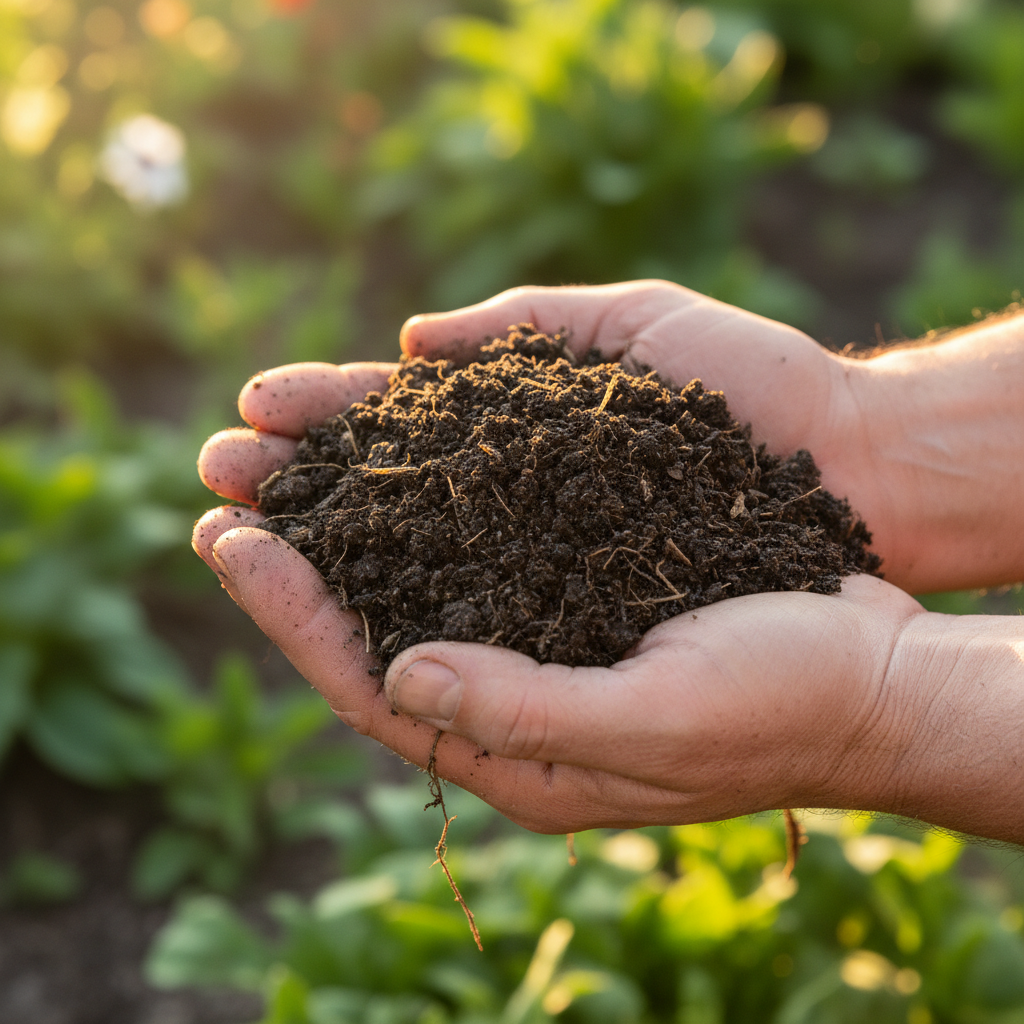
Healthy soil is the foundation of regenerative farming. In Florida, where sandy soils are common, maintaining organic matter and soil structure is essential. Cover crops, such as legumes and grasses, play a vital role in this process by adding nutrients and preventing erosion.
Integrating Livestock for Better Results
Livestock can be an integral part of regenerative farming. By using rotational grazing, farmers can enhance soil fertility and plant diversity. This method mimics natural grazing patterns, allowing fields to recover and regenerate, which ultimately leads to more robust crop yields.
Challenges and Opportunities in Florida
Florida's unique environment presents both challenges and opportunities for regenerative farming. The state's warm climate and frequent rainfall can lead to rapid plant growth, but also pose risks like pests and diseases. Adopting regenerative practices can help mitigate these issues by fostering resilient ecosystems.

Getting Started with Regenerative Farming
For those new to regenerative farming, starting small is often the best approach. Consider beginning with one or two regenerative practices and gradually expanding as you learn. Engaging with local farming communities and attending workshops can provide valuable insights and support.
Benefits of Regenerative Farming
The benefits of regenerative farming extend beyond the fields. By enhancing soil health and biodiversity, farmers can enjoy increased yields and reduced input costs. Additionally, regenerative practices contribute to environmental health by reducing greenhouse gas emissions and improving water quality.
In conclusion, regenerative farming in Florida offers a promising path toward sustainable agriculture. By embracing its principles, farmers can create productive and resilient systems that benefit both the environment and their bottom line. Whether you're an experienced farmer or a beginner, the journey towards regeneration holds potential for growth and sustainability.